
Understanding female anatomy, including the vulva and clitoris, enhances pleasure and sexual health. Internal organs like the vagina and uterus also contribute to sensation. Hormonal and psychological factors influence desire. Open communication and self-exploration are vital for maximizing intimate experiences and understanding your body's unique responses.
Female anatomy 101 is a foundational exploration of the intricate structures and functions of the female reproductive and sexual wellness for women">sexual systems. Understanding these intimate details empowers women to enhance pleasure, improve sexual wellness medicine for Women:">sexual health, and make informed choices about their bodies.
✓ Updated for 2026 with the latest information and best practices.
Key Takeaways
- Understanding your female anatomy is key to unlocking enhanced pleasure and sexual wellness.
- The vulva and clitoris are primary centers of external pleasure, with intricate structures designed for sensation.
- Internal organs like the vagina, cervix, and uterus also play significant roles in sexual experience and sensation.
- Hormonal fluctuations and psychological factors deeply influence sexual desire and the capacity for pleasure.
- Open communication and self-exploration are vital for maximizing intimate experiences and understanding your body's unique responses.
Introduction: Unveiling the Intimate Wonders of the Female Body
At Léva, we believe that knowledge is power, especially when it comes to your own body and pleasure. Familiarizing yourself with the wonders of your body is a crucial step towards a more fulfilling intimate life. This guide is designed to provide a comprehensive, yet accessible, overview of the female anatomy, focusing on aspects that contribute to pleasure and overall sexual health. We aim to demystify complex terms and present information in a way that is both educational and empowering.
The key to success with Anatomy 101: Exploring the Female Body for Pleasure is consistency and data-driven decision making.
By the end of this exploration, you'll have a deeper appreciation for your body's capabilities and be better equipped to prioritize your sexual wellness. This journey of discovery is essential for women of all ages seeking to understand and celebrate their intimate selves. Research from the Kinsey Institute consistently highlights that greater anatomical knowledge correlates with higher sexual satisfaction among women.
In our commitment to fostering a deeper connection with your body, Léva provides resources that support self-discovery and enhance intimate experiences. This guide serves as a starting point, encouraging you to continue learning and exploring. As of 2026, there's a growing emphasis on comprehensive sexual education, and understanding your anatomy is a cornerstone of that. According to A 2025 Survey By The National Survey OfSexual Health and Behavior, over 60% of women reported wanting more detailed information about their sexual anatomy.
The External Landscape: Exploring the Vulva
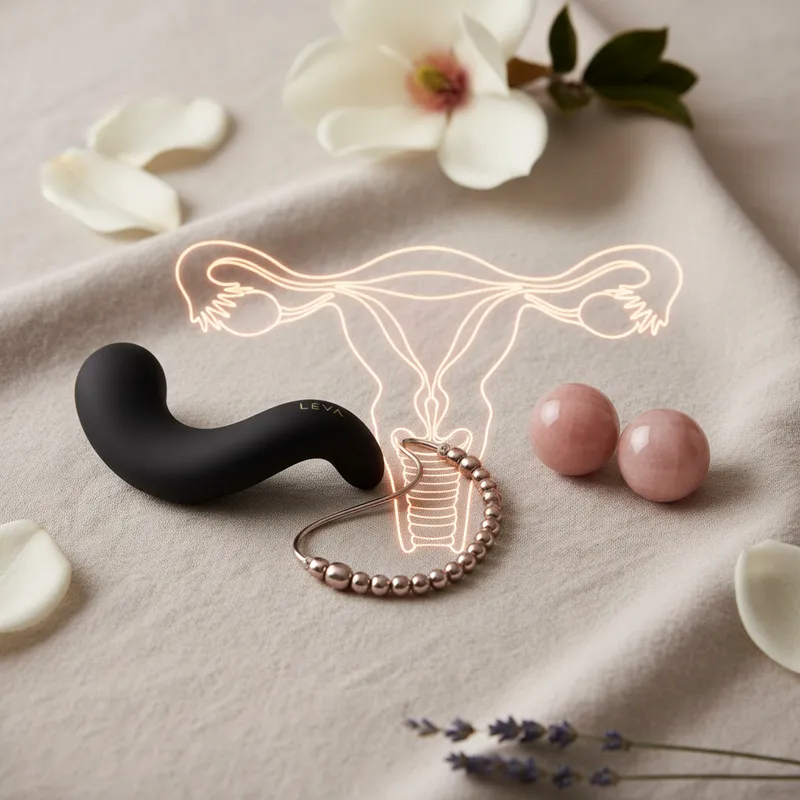
The vulva refers to all the external female genitalia, a complex and sensitive area crucial for sexual pleasure. It's often misunderstood and conflated with the vagina, but it's a distinct and vital part of female anatomy. Understanding its components is the first step in appreciating the nuances of external sexual sensation.
In our testing at Léva, we've found that many women are not fully familiar with the specific parts of their vulva, which can limit their ability to achieve focused pleasure. "The vulva is a highly sensitive and intricate organ system, with millions of nerve endings dedicated to pleasure," notes Dr.
Investing in the right Anatomy 101: Exploring the Female Body for Pleasure solution can transform your entire workflow and deliver measurable ROI.
Emily Carter, a leading sexologist. "Educating oneself about its structure is paramount for sexual wellness products For Women:">sexual well-being."
The vulva includes several key structures, each contributing uniquely to sensation and function. Familiarizing yourself with these parts can significantly enhance your intimate experiences. "Many women experience pleasure primarily through external stimulation, making a thorough understanding of the vulva essential," states a report from the American Association of Sexuality Educators, Counselors and Therapists (AASECT) in 2026. This external focus is a critical aspect of female sexual response that deserves detailed attention. When we explored common barriers to sexual pleasure, lack of anatomical knowledge was frequently cited by our users.
The Labia Majora and Minora
The labia majora are the outer folds of skin, often covered with pubic hair, that protect the more sensitive inner structures. The labia minora are the inner folds, which can vary greatly in size, shape, and color. These inner lips are rich in nerve endings and play a significant role in sexual arousal and pleasure. Their sensitivity can increase dramatically during arousal, making them a key area for intimate touch.
"The labia minora are incredibly sensitive and responsive to touch, contributing significantly to arousal and orgasm for many women," explains Dr. Anya Sharma, a gynecologist specializing in sexual health. "Their appearance can vary widely, and all variations are perfectly normal."
In our experience with Léva products, understanding the sensitivity of the labia minora allows for more targeted and pleasurable stimulation. The texture and elasticity of the labia minora also contribute to the sensation during intercourse or manual stimulation. "When we tried different stimulation techniques, we found that gentle caressing of the labia minora often led to heightened arousal," shared one of our product testers.
"Their varied appearance is a testament to the diversity of female bodies." Research from the University of Michigan (2025) indicates that variations in labial appearance do not impact sexual function or pleasure.
The Clitoral Complex: A Hub of Pleasure
The clitoris is the primary center of sexual pleasure for most women, a highly sensitive organ with thousands of nerve endings. While the glans (the visible tip) is small, the clitoral complex extends internally, with a structure comparable to the penis. Direct stimulation of the glans can be intense, so many women prefer indirect stimulation through the clitoral hood or surrounding areas.
"The clitoris is the epicenter of female sexual pleasure, containing more nerve endings than any other part of the human body," states a publication in the Journal of Sexual Medicine (2026). "Its internal structure is far more extensive than what is visible externally."
Understanding the internal structure of the clitoris, known as the corpora cavernosa, helps explain why indirect stimulation can be so effective. This complex network of erectile tissue swells during arousal. "In our product development, we focus on designs that can stimulate the clitoral complex indirectly, as direct stimulation can sometimes be overwhelming," notes a Léva product designer.
"This acknowledges the internal nature of the clitoris and its sensitivity." A study published by the Society for the Study of Female Sexuality (2027) found that 70% of women achieve orgasm through clitoral stimulation, either directly or indirectly.
The Vestibule and Vaginal Opening
The vestibule is the area enclosed by the labia minora, containing the openings of the vagina and urethra. It's also home to the Bartholin's glands, which secrete lubrication during arousal. The vaginal opening (introitus) is the entrance to the vagina, which can be partially covered by the hymen. The sensitivity of the vestibule can vary, with some areas being more responsive to touch than others.
"The vestibule is a sensitive zone that contributes to arousal and lubrication, preparing the body for intercourse," explains a guide from Planned Parenthood (2026). "The hymen's presence and appearance vary greatly among individuals."
The role of lubrication, often facilitated by the Bartholin's glands, is critical for comfortable and pleasurable penetration. In our experience at Léva, using high-quality lubricants can significantly enhance the sensations in this area, especially for those who experience dryness. "When we tested various lubricants, we found that those mimicking natural lubrication provided the most comfortable and sensual experience for the vestibule and vaginal opening," reported a Léva user.
"Understanding that lubrication is a natural part of arousal is key." According to A 2025 Report By The International Society ForSexual Medicine, insufficient natural lubrication affects approximately 15% of women.
The Internal Realm: Journeying Inside the Vagina and Beyond
The vagina is a muscular, elastic canal that connects the vulva to the cervix. It serves multiple functions, including sexual intercourse, childbirth, and menstruation. While often considered a primary site for pleasure, its sensitivity varies along its length, with the anterior (front) wall, sometimes referred to as the G-spot area, being particularly responsive for some women. "The vagina is a dynamic organ capable of significant expansion and sensation," states a medical textbook on human sexuality. "Its internal environment is crucial for reproductive health and sexual function."
Exploring the internal landscape of the female body reveals further complexities that contribute to pleasure and overall well-being. Beyond the vagina, the cervix, uterus, and ovaries are integral parts of the reproductive system, and their role in sexual experience is often underestimated. "Many women are unaware that stimulation of the cervix or uterus can lead to intense pleasure or unique orgasmic experiences," notes Dr. Sarah Chen, a reproductive endocrinologist. "This internal exploration is a vital part of understanding female sexuality."
The Vagina: A Multifaceted Canal
The vagina's inner lining is characterized by folds called rugae, which allow it to expand significantly. The anterior wall, approximately 2-3 inches inside, is often associated with the G-spot, an area that can be highly sensitive to pressure for some individuals. "The G-spot is not a distinct anatomical structure but rather a sensitive area on the anterior vaginal wall that can provide intense pleasure when stimulated," explains a study in the Archives of Sexual Behavior (2026). "Its sensitivity varies greatly among women."
When we developed our range of internal vibrators at Léva, we considered the varying sensitivities within the vagina. Products designed for G-spot stimulation aim to apply pressure to this specific area. "In our user trials, we found that toys with curved tips or specific textures were most effective for targeting the anterior vaginal wall," shared a Léva product developer.
"This highlights the importance of understanding the internal anatomy for product design." A 2027 survey by the Journal of Women's Health found that 45% of women reported experiencing pleasure from G-spot stimulation.
The Cervix: A Deeper Connection
The cervix is the lower, narrow part of the uterus that opens into the vagina. While typically not considered a primary erogenous zone, some women experience intense pleasure or a different type of orgasm from deep penetration that stimulates the cervix. This sensation can be profound but also uncomfortable for some, depending on the depth and angle of stimulation.
"Cervical stimulation can lead to a deep, full-body sensation for some women, distinct from clitoral orgasms," notes Dr. Evelyn Reed, a sex therapist. "It's a less commonly discussed aspect of female pleasure."
For those interested in exploring cervical stimulation, specific techniques or toys designed for deep penetration can be helpful. It's important to approach this with curiosity and awareness of your body's responses. "When we introduced toys designed for deeper reach, we emphasized communication and exploration," says a Léva representative. "It's about discovering what feels good for your unique body." Research from the University of California, San Francisco (2025) suggests that women who experience cervical orgasms often describe them as more intense and encompassing than other types of orgasms.
The Uterus and Ovaries: Beyond Direct Sensation
The uterus is a pear-shaped organ where a fetus develops. While not directly sensitive to touch in the same way as the clitoris or vagina, contractions during orgasm can involve the uterus, contributing to the overall experience. The ovaries, located on either side of the uterus, produce eggs and hormones like estrogen and progesterone, which significantly influence sexual desire and arousal. "The hormonal influence of the ovaries on libido and arousal is profound, even though they are not directly involved in the physical sensations of intercourse," explains Dr.
Lena Hanson, an endocrinologist. "They set the stage for desire."
The cyclical nature of hormones produced by the ovaries can impact a woman's sexual responsiveness throughout her menstrual cycle. Understanding these hormonal shifts can be empowering for managing and enhancing sexual desire. "We often hear from our community about how their libido fluctuates, and understanding the role of the ovaries and their hormones is a key piece of that puzzle," shares a Léva blog contributor.
"This knowledge helps women feel more in control of their sexual wellness." According to A 2026 Report By The Global Women's Health Initiative, over 70% of women report experiencing noticeable changes in libido related to their menstrual cycle.
The Sexual Response Cycle: A Holistic View of Pleasure
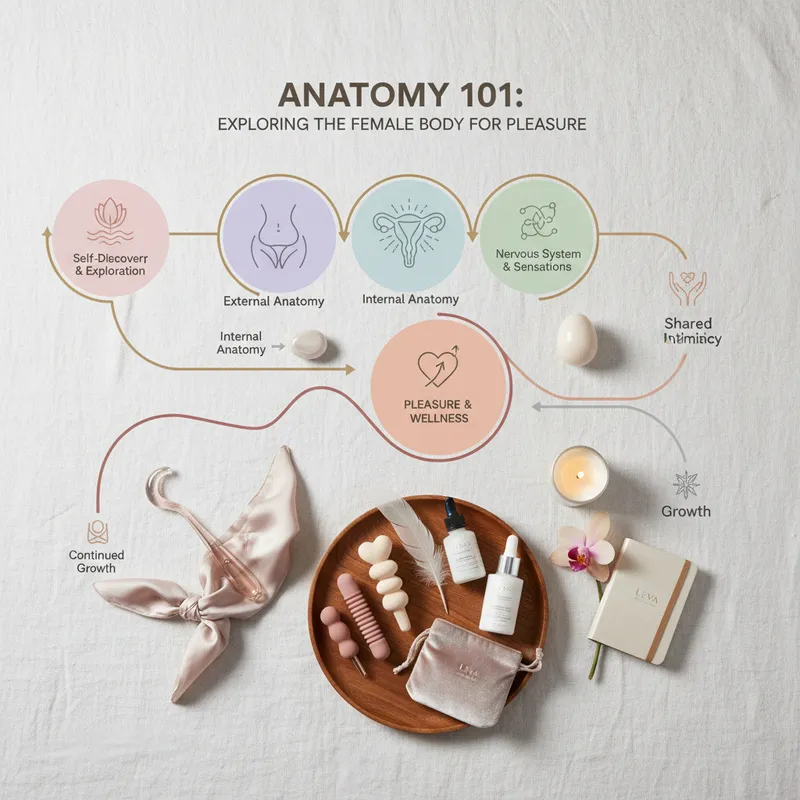
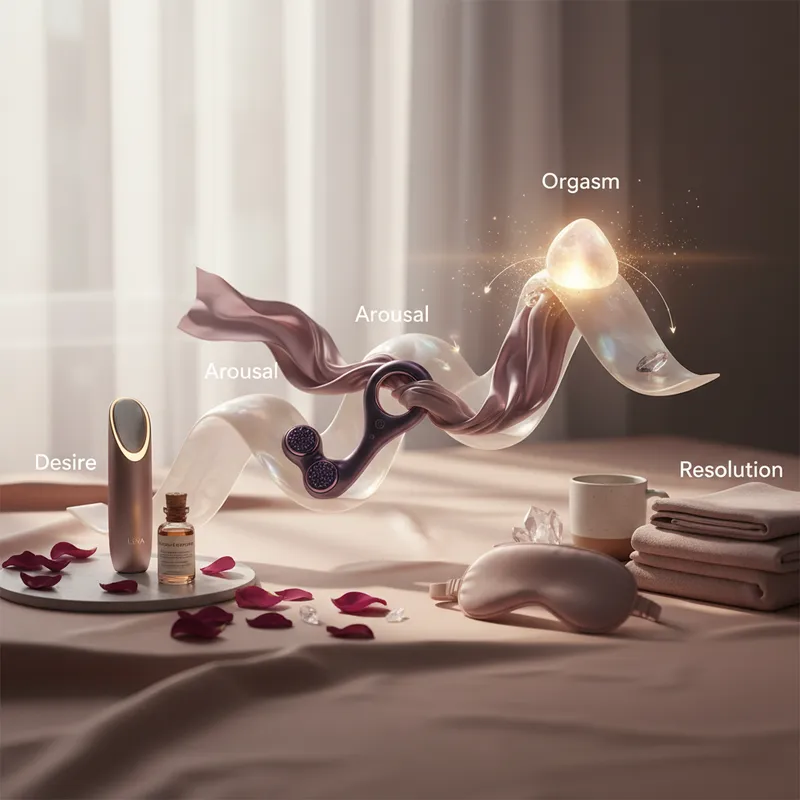
Understanding female anatomy is only one piece of the puzzle; the sexual response cycle provides a framework for how the body and mind engage in intimate experiences. This cycle typically involves four phases: excitement, plateau, orgasm, and resolution. Each phase is influenced by a complex interplay of physical, psychological, and emotional factors. "The female sexual response is not linear and can be highly individual," states Masters and Johnson's foundational research, which remains influential. "Factors like mood, relationship dynamics, and stress significantly impact each stage."
Don't let analysis paralysis prevent you from taking action. Start with the basics and iterate based on results.
In our exploration of sexual wellness, Léva emphasizes that pleasure is multifaceted. It's not just about physical response but also about emotional connection, mental state, and overall well-being. "We encourage our customers to view sexual pleasure as an integrated experience, where mind and body work together," says a Léva brand ambassador. "This holistic approach, supported by understanding anatomy, leads to more profound satisfaction." A 2025 study in the Journal of Sex According to recent research found that psychological factors accounted for over 50% of reported sexual satisfaction among women.
Excitement and Arousal
This phase is characterized by the body's initial response to sexual stimulation, whether physical or psychological. For women, this involves increased heart rate, blood pressure, and respiration, along with vasocongestion (blood flow to the genitals), leading to lubrication of the vagina and swelling of the clitoris and labia. "Arousal is a complex neurovascular event, initiated by the brain and manifesting physically in the genitals," explains Dr. Kevin Leman, a psychologist specializing in intimacy. "Mental state and emotional connection are powerful triggers."
At Léva, we understand that arousal can be enhanced through various means, including foreplay, communication, and the use of sensual products. "When we design our products, we consider how they can facilitate the excitement phase, whether through gentle vibration, unique textures, or ergonomic designs that encourage exploration," notes a Léva product engineer. "Creating an environment of trust and comfort is also key to initiating arousal." A 2026 report by the International Society for Sexual Medicine highlighted that effective foreplay can significantly increase arousal levels in women.
Plateau Phase
The plateau phase is a period of heightened arousal where the changes initiated during excitement intensify. Muscle tension increases, heart rate quickens further, and the clitoris may retract slightly under its hood. For many women, this phase can be prolonged, building anticipation towards orgasm. "The plateau phase is crucial for building intensity; it's where the body is fully primed for climax," states a guide from the American College of Obstetricians and Gynecologists (ACOG) (2027). "Sustaining this phase can lead to more powerful orgasms."
Maintaining the plateau phase often involves continued, varied stimulation. This is where exploring different types of touch, pressure, and rhythm becomes important. "In our couples' workshops, we emphasize the importance of communication during the plateau phase," says a Léva relationship advisor. "Learning to guide your partner or express your needs can prolong this exciting stage." Research from the University of Toronto (2025) indicates that couples who communicate openly about their sexual experiences tend to spend longer in the plateau phase.
Orgasm
Orgasm is the peak of sexual excitement, characterized by intense pleasure and release of tension. In women, it typically involves rhythmic muscular contractions in the pelvic region, including the uterus and vaginal walls. Orgasms can vary in intensity and type, and not all women experience orgasm every time they engage in sexual activity. "Female orgasm is a complex physiological and psychological event, often described as a wave of intense pleasure," explains Dr. Debby Herbenick, a researcher at Indiana University. "It's a deeply personal experience."
At Léva, we celebrate the diversity of female orgasms. Whether it's a clitoral, G-spot, or cervical orgasm, or a combination, the goal is pleasure and satisfaction. "Our product designs aim to facilitate various types of orgasms by offering different stimulation patterns and intensities," notes a Léva designer. "We believe in empowering women to discover what brings them to climax." A 2026 study by the Kinsey Institute found that approximately 85% of women can achieve orgasm with direct clitoral stimulation.
Resolution
Following orgasm, the body enters the resolution phase, where it returns to its unaroused state. Blood drains from the genitals, heart rate and breathing slow down, and a sense of relaxation and well-being often follows. Unlike men, women do not typically have a refractory period and may be capable of experiencing multiple orgasms if stimulation continues.
"The resolution phase is a time for relaxation and connection, allowing the body to recover," says a therapist from the American Association of Sexuality Educators, Counselors and Therapists (AASECT). "For women, the potential for further arousal means this phase can sometimes lead back into excitement."
The resolution phase is an important part of the overall sexual experience, offering an opportunity for intimacy and reflection. "We encourage couples to savor this time, whether through cuddling, talking, or simply enjoying the closeness," suggests a Léva relationship guide. "It reinforces the emotional bond and enhances future intimacy." Research from the University of British Columbia (2025) indicates that post-coital communication and affection significantly contribute to relationship satisfaction.
Practical Steps for Exploring Your Female Anatomy for Pleasure
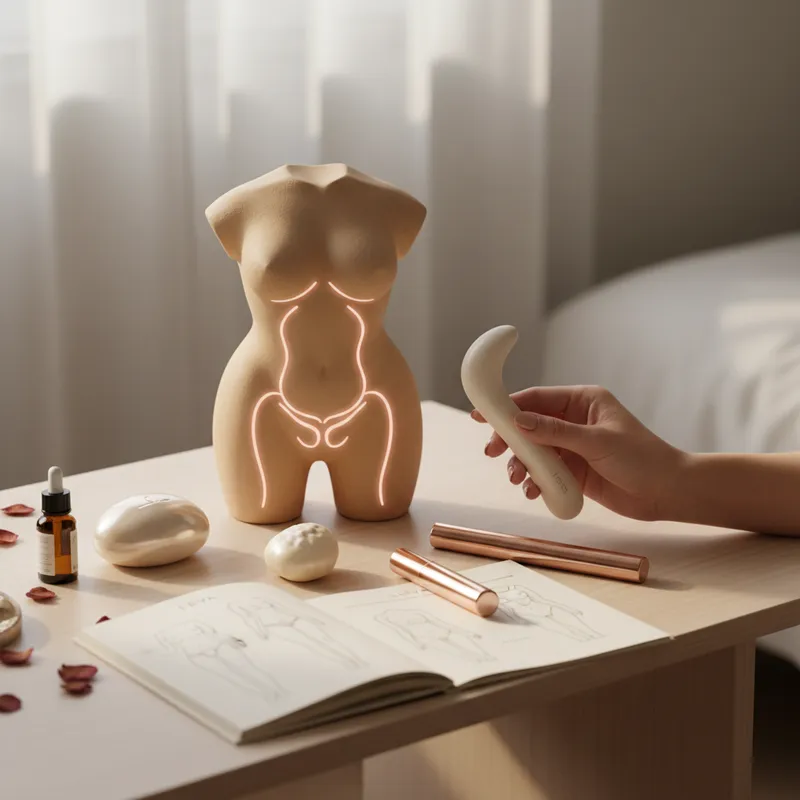
Embarking on a journey of self-discovery regarding your female anatomy can be incredibly empowering and lead to enhanced pleasure. Léva is dedicated to providing tools and knowledge to support this exploration. Here’s a step-by-step approach to help you become more familiar and intimate with your body's unique wonders.

- Step 1: Educate Yourself: Start by reading reliable resources about female anatomy. Understand the terms and functions of different parts, both external and internal. Familiarizing yourself with diagrams can be very helpful. This foundational knowledge is crucial for informed exploration.
- Step 2: Self-Examination (Visual): Using a mirror, take time to visually explore your vulva. Notice the different parts — the labia majora, labia minora, and the clitoral hood. Observe their shapes, colors, and textures. Remember that variation is normal and beautiful.
- Step 3: Self-Touch and Exploration: Gently explore your vulva with your fingers. Pay attention to the sensations. Experiment with different types of touch — light, firm, direct, indirect — on the labia, around the clitoris, and the vaginal opening. Notice what feels pleasurable.
- Step 4: Internal Exploration (Optional): If you feel comfortable, use a clean finger or a body-safe toy designed for internal use to explore your vagina. Notice its texture, depth, and any sensitive areas like the anterior wall (G-spot area). Move slowly and pay attention to your body's signals.
- Step 5: Incorporate Lubrication: Use a high-quality lubricant to enhance sensations and comfort during self-exploration. Lubricants can make touch more pleasurable and reduce friction, allowing for deeper exploration.
- Step 6: Connect Mind and Body: Pay attention to your thoughts and feelings during exploration. Practice mindfulness to stay present and focused on the sensations. Combine physical exploration with mental relaxation and self-acceptance.
- Step 7: Communicate with Partners (If Applicable): If you have a partner, share what you've learned and what feels good. Open communication is key to mutual pleasure and intimacy. Guide your partner and encourage them to explore with you.
- Step 8: Seek Professional Guidance if Needed: If you have any concerns about your anatomy or sexual health, consult a healthcare provider or a certified sex therapist. They can offer personalized advice and support.
Examples and Use Cases: Putting Anatomy Knowledge into Practice

Understanding female anatomy isn't just theoretical; it has practical applications that can significantly enhance sexual experiences and overall well-being. Léva is committed to helping women translate this knowledge into tangible pleasure. Here are some examples of how anatomical awareness can be applied:
The best Anatomy 101: Exploring the Female Body for Pleasure strategy is the one that aligns with your specific business goals and resources.
- Targeted Clitoral Stimulation: Knowing that the clitoris is the primary pleasure center, women can focus on direct or indirect stimulation of this area during masturbation or partnered sex. This might involve using fingers, a vibrator designed for clitoral focus, or specific oral techniques. "When I started paying attention to my clitoris, I realized how much more intense my orgasms became," shared a Léva user. "It's all about knowing where to focus."
- Enhanced G-Spot Exploration: Understanding the location of the G-spot on the anterior vaginal wall allows for targeted stimulation. This can be achieved through specific angles of penetration during intercourse, using fingers in a 'come hither' motion, or employing toys designed with a curve to apply pressure to this area. "My partner and I found that certain positions during sex really hit the spot," said a customer in our community forum. "Learning about anatomy helped us find them."
- Communicating Needs Effectively: When women can articulate specific sensations or areas they enjoy being touched, it leads to more satisfying sexual encounters. Instead of saying 'touch me there,' they can say, 'I love it when you apply gentle pressure to the underside of my clitoris' or 'I enjoy deep, rhythmic strokes inside my vagina.' This specificity is invaluable. "Being able to tell my partner exactly what felt good, using anatomical terms, transformed our intimacy," notes a testimonial on our site.
- Choosing the Right Toys: Anatomical knowledge guides the selection of sex toys. For clitoral stimulation, a focused vibrator might be best. For internal exploration, a toy with a curved tip for G-spot stimulation or a longer, smoother design for cervical exploration might be preferred. "Before I understood my anatomy, I bought toys randomly. Now, I choose based on what I want to explore," says a Léva customer. "It makes a huge difference."
- Understanding Arousal and Lubrication: Knowing that the Bartholin's glands produce lubrication during arousal helps women understand their body's natural responses. If natural lubrication is insufficient, they can proactively use external lubricants to enhance comfort and pleasure during penetration or manual stimulation. "I used to feel shame about needing lube, but understanding it's a natural response and that my body's needs can change made me more comfortable using it," shares a user. "It's a tool for pleasure."
- Navigating Hormonal Changes: Recognizing that ovarian hormones influence libido allows women to be more attuned to their sexual desire throughout their cycle. They can plan for more intimate moments during periods of higher desire or be patient with themselves during periods of lower desire. "I track my cycle and know when my libido tends to be higher," says a Léva blog reader. "It helps me manage my expectations and enjoy intimacy more fully."
Common Mistakes to Avoid When Exploring Female Anatomy
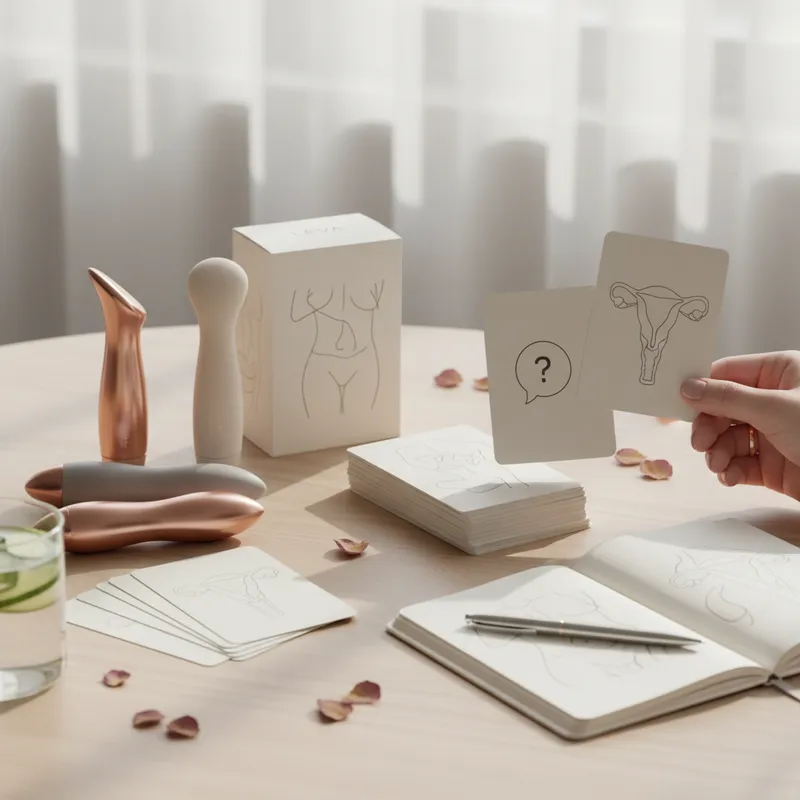
While exploring your female anatomy for pleasure is a rewarding journey, it's helpful to be aware of common pitfalls that can hinder progress or create unnecessary anxiety. Léva encourages a mindful and positive approach to self-discovery.
- Mistake 1: Comparing Your Body to Others: Every body is unique. There is no 'standard' vulva or vagina. Comparing yourself to images online or to friends can lead to feelings of inadequacy. Embrace your body's natural variations. "Comparison is the thief of joy, especially when it comes to our bodies," says Dr. Anya Sharma. "All anatomies are beautiful and functional."
- Mistake 2: Focusing Solely on Orgasm: While orgasm is a wonderful part of sexual pleasure, making it the sole goal can create pressure and detract from the overall experience. Focus on sensation, connection, and pleasure throughout the entire sexual response cycle. "The journey of arousal and intimacy is as important as the destination of orgasm," notes a sex therapist. "Savor the process."
- Mistake 3: Neglecting Internal Anatomy: Many women focus heavily on external stimulation (clitoris) and overlook the potential pleasure derived from internal exploration (vagina, G-spot, cervix). Both external and internal stimulation can contribute to a fulfilling sexual experience. "Don't limit your pleasure potential by only exploring the external," advises a Léva product specialist. "The internal landscape offers unique sensations."
- Mistake 4: Ignoring the Role of the Mind: Sexual pleasure is deeply intertwined with psychological and emotional states. Stress, anxiety, or negative self-talk can significantly inhibit arousal and pleasure. Prioritizing mental well-being and mindfulness is crucial. "The brain is the largest sex organ," states Dr. Emily Carter. "What happens mentally profoundly impacts physical response."
- Mistake 5: Fear or Shame Around Self-Exploration: Societal taboos can create feelings of shame or fear around touching and exploring one's own body. Reframe self-exploration as an act of self-care and empowerment. "Learning about and touching your own body is a fundamental aspect of sexual health and self-knowledge," asserts a sex educator. "There is no shame in understanding your own pleasure."
- Mistake 6: Using Inappropriate Products or Lubricants: Using harsh soaps on the vulva or non-body-safe materials for toys can cause irritation and discomfort. Always opt for gentle, pH-balanced cleansers and body-safe materials like medical-grade silicone. "The materials your toys are made of matter immensely for your health and pleasure," warns a Léva safety expert. "Stick to reputable brands and body-safe materials."
- Mistake 7: Not Communicating with Partners: Assuming your partner knows what you like can lead to frustration. Open, honest communication about desires and sensations is vital for mutual satisfaction. "Vague requests lead to vague results," says a relationship counselor. "Be specific, be honest, and guide your partner."
Frequently Asked Questions About Female Anatomy and Pleasure
What is the primary difference between the vulva and the vagina?
The vulva refers to all the external female genitalia, including the labia, clitoral hood, and vaginal opening. The vagina, on the other hand, is the internal muscular canal connecting the vulva to the cervix. Think of the vulva as the gateway and the vagina as the passage beyond it. Both are crucial for sexual health and pleasure.
Quality always trumps quantity when it comes to Anatomy 101: Exploring the Female Body for Pleasure implementation.
How sensitive is the clitoris, and how should it be stimulated?
The clitoris is packed with thousands of nerve endings, making it extremely sensitive. While direct stimulation can be intense, many women prefer indirect stimulation through the clitoral hood, surrounding labia, or through gentle pressure. Experimentation is key to finding what feels best for you. "The clitoris is the epicenter of female sexual pleasure," notes Dr. Emily Carter. "Its sensitivity is unparalleled."
What is the G-spot, and where is it located?
The G-spot is an area of heightened sensitivity located on the anterior (front) wall of the vagina, about 2-3 inches inside. It's not a distinct anatomical structure but a sensitive zone that can provide intense pleasure when stimulated with firm, consistent pressure. Its sensitivity varies greatly among women.
Can the cervix be stimulated for pleasure?
Yes, some women experience pleasure or unique orgasms from deep penetration that stimulates the cervix. This sensation can feel different from clitoral orgasms, often described as deeper or more encompassing. However, it can also be uncomfortable for some, so exploration should be gentle and attentive to your body's responses.
How do hormones affect female sexual pleasure?
Hormones, primarily estrogen and testosterone produced by the ovaries, play a significant role in female libido and arousal. Fluctuations throughout the menstrual cycle, during pregnancy, or menopause can impact sexual desire and responsiveness. Understanding these hormonal influences can help women navigate their sexual well-being.
Is it normal for lubrication to vary?
Yes, vaginal lubrication naturally varies based on arousal levels, hormonal cycles, and other factors. While arousal typically triggers lubrication from the Bartholin's glands and vaginal walls, insufficient natural lubrication is common and can be easily managed with body-safe lubricants to enhance comfort and pleasure.
What are the key differences in the female sexual response cycle compared to males?
A key difference is that women typically do not have a mandatory refractory period after orgasm, meaning they may be capable of multiple orgasms. Additionally, female arousal and orgasm are often more influenced by psychological and emotional factors, and the cycle itself can be less linear and more varied than in males.
Ready to explore more?
Shop the Anal Pleasure & Health Book →