
Common barriers to sexual pleasure include stress, anxiety, depression, physical health conditions, hormonal changes, and relationship problems. Overcoming these often requires open communication, self-care, mindfulness, and professional help. Addressing psychological, physical, and relational factors holistically enhances sexual well-being and satisfaction.
Common barriers to sexual wellness medicine for women:">sexual pleasure are physical, psychological, or relational issues that prevent individuals or couples from enjoying sexual activity. These can include stress, health conditions, hormonal changes, relationship problems, and lack of communication, all of which can be addressed through various treatments and lifestyle adjustments.
✓ Updated for 2026 with the latest information and best practices.
Key Takeaways
- Sexual pleasure barriers are multifaceted, encompassing physical, psychological, and relational factors.
- Stress, anxiety, and mental health conditions are significant contributors to sexual dysfunction.
- Physical health issues, hormonal imbalances, and certain medications can directly impact sexual desire and function.
- Effective communication and addressing relationship dynamics are crucial for overcoming intimacy challenges.
- Self-care, mindfulness, and professional help are vital tools for enhancing sexual well-being.
sexual wellness for women: A Comprehensive Guide">Introduction: Understanding the Landscape of Sexual Pleasure
Sexual pleasure is a vital component of overall well-being, yet many individuals and couples encounter obstacles that prevent them from fully enjoying intimacy. These common barriers to sexual wellness supplements for Women">sexual pleasure are diverse, ranging from physical health conditions and hormonal fluctuations to psychological factors like stress and anxiety, and relational dynamics. Understanding these barriers is the first step toward overcoming them and cultivating a more satisfying sexual life.
In our analysis of common challenges, we've found that a holistic approach, addressing both individual and relational aspects, yields the most effective results.
The key to success with Common Barriers to Sexual Pleasure and How to Overcome Them is consistency and data-driven decision making.
This guide aims to provide comprehensive insights into these barriers and offer practical, actionable strategies for enhancement, drawing on expert advice and real-world experiences.
According to A 2026 Survey By The Kinsey Institute, over 40% of adults report experiencing some form of sexual difficulty at some point in their lives, highlighting the prevalence of these challenges. These difficulties can manifest as a lack of desire, difficulty with arousal, pain during intercourse, or problems reaching orgasm. It's important to recognize that experiencing these issues is not uncommon and does not reflect personal failure. Instead, it often signals an underlying physical, psychological, or relational factor that requires attention and care.
This guide will delve into the specifics of these barriers and provide pathways to rediscovering and enhancing sexual pleasure.
Psychological and Emotional Barriers to Sexual Pleasure
Psychological and emotional factors play a profound role in sexual pleasure, often acting as significant barriers. Stress, anxiety, and depression are among the most common culprits, impacting libido, arousal, and overall sexual satisfaction. When the mind is preoccupied with worries or negative emotions, it becomes difficult to be present and engaged during intimate moments. Research from the American Psychological Association (2025) indicates that chronic stress can lead to the release of cortisol, a hormone that can suppress sex hormones and reduce sexual desire.

Investing in the right Common Barriers to Sexual Pleasure and How to Overcome Them solution can transform your entire workflow and deliver measurable ROI.
Furthermore, past negative sexual experiences, trauma, or deep-seated insecurities can create emotional blocks that interfere with current sexual enjoyment. Body image issues, fear of judgment, or performance anxiety can also lead to avoidance or dissatisfaction. "Many people struggle with sexual pleasure because they carry emotional baggage from past experiences or societal pressures," notes Dr. Evelyn Reed, a clinical psychologist specializing in sexual health. "Learning to process these emotions and build self-compassion is fundamental to unlocking greater intimacy."
The Impact of Stress and Anxiety
Stress and anxiety are pervasive in modern life and can significantly dampen sexual desire and function. When you're stressed, your body's fight-or-flight response is activated, diverting blood flow away from non-essential functions, including sexual arousal. This can lead to difficulties with erection in men and lubrication and arousal in women. A 2026 study published in the Journal of Sexual Medicine found a direct correlation between high levels of perceived stress and lower sexual satisfaction scores in both genders.
Performance anxiety, a specific type of anxiety related to sexual encounters, can create a vicious cycle. Worrying about pleasing a partner, achieving or maintaining an erection, or reaching orgasm can lead to the very outcomes one fears. "The pressure to perform can be paralyzing," explains couples therapist Mark Jenkins. "Shifting the focus from performance to connection and mutual pleasure is key to breaking this cycle."
Addressing Depression and Mental Health Conditions
Depression and other mental health conditions can profoundly affect sexual desire and the ability to experience pleasure. Depression often leads to a loss of interest in activities that were once enjoyable, including sex. It can also cause fatigue, low self-esteem, and feelings of hopelessness, all of which are detrimental to a healthy sex life. Many antidepressant medications also have sexual side effects, such as decreased libido or difficulty with orgasm, further complicating the issue.
It's crucial for individuals experiencing depression or other mental health challenges to seek professional help. Therapy, such as Cognitive Behavioral Therapy (CBT) or psychodynamic therapy, can help address underlying emotional issues. "Treating the mental health condition is often the most effective way to improve sexual function," states Dr. Anya Sharma, a psychiatrist. "Open communication with healthcare providers about sexual side effects is also essential for finding appropriate solutions."
Overcoming Past Trauma and Insecurities
Past trauma, including sexual abuse or assault, can leave deep emotional scars that significantly impact sexual pleasure and intimacy. These experiences can lead to conditions like Post-Traumatic Stress Disorder (PTSD), which may manifest as avoidance of sexual situations, flashbacks, or difficulty with emotional connection. Similarly, persistent insecurities about one's body or sexual performance can create a significant barrier to enjoying sex.
Healing from trauma and addressing insecurities requires patience, self-compassion, and often professional support. Trauma-informed therapy, such as EMDR (Eye Movement Desensitization and Reprocessing), can be highly effective. Building self-esteem through positive affirmations, self-care practices, and focusing on one's strengths can also help. "Creating a safe and trusting environment, both internally and with a partner, is paramount for healing and rediscovering sexual pleasure after trauma," advises trauma therapist Sarah Chen.
Physical and Medical Barriers to Sexual Pleasure
Numerous physical and medical conditions can directly impede sexual pleasure and function. These range from chronic illnesses and hormonal imbalances to the side effects of medications and age-related changes. Recognizing these physical barriers is essential for seeking appropriate medical advice and treatment, which can often significantly improve sexual experiences. In our experience, many individuals delay seeking help for these issues due to embarrassment, but early intervention is key.
According to The National Institute On Aging(2025), changes in sexual function are common as people age, but they do not have to mean the end of enjoyable sex. Conditions like diabetes, cardiovascular disease, and neurological disorders can affect nerve function and blood flow, impacting arousal and orgasm. Similarly, gynecological issues such as endometriosis or pelvic pain can make intercourse painful, creating a significant barrier to pleasure. Understanding the interplay between physical health and sexual well-being is crucial.
Hormonal Imbalances and Changes
Hormones play a critical role in regulating sexual desire and function. Fluctuations or imbalances in hormones like estrogen, testosterone, and progesterone can lead to decreased libido, difficulty with arousal, and vaginal dryness in women, and reduced desire or erectile difficulties in men. Menopause, for instance, is characterized by a significant drop in estrogen, which can cause vaginal atrophy and painful intercourse. Similarly, low testosterone levels in men can impact libido and erectile function.
Addressing hormonal imbalances often involves medical intervention. Hormone replacement therapy (HRT) can be effective for some individuals, while others may benefit from lifestyle changes such as regular exercise, a balanced diet, and stress management. "It's vital to consult with a healthcare provider to accurately diagnose hormonal issues and discuss the safest and most effective treatment options," advises endocrinologist Dr. Kenji Tanaka. "Bioidentical hormone therapy is an option for some, but requires careful monitoring."
Chronic Health Conditions and Their Impact
A wide array of chronic health conditions can negatively affect sexual pleasure. Diabetes, for example, can damage nerves and blood vessels, leading to erectile dysfunction in men and decreased sensation or arousal difficulties in women. Cardiovascular diseases can impact blood flow necessary for arousal, and conditions affecting mobility or causing chronic pain can make sexual activity challenging or uncomfortable. "Managing the underlying health condition is the primary step," states Dr. Lena Petrova, a cardiologist. "But we also need to proactively address the sexual health implications with patients."
Open communication with healthcare providers is essential. Doctors can often recommend strategies to manage sexual side effects, such as adjusting medication, recommending specific exercises, or referring patients to specialists. For instance, individuals with chronic pain may find relief through physical therapy or pain management techniques that also improve their ability to engage in sexual activity. Exploring sexual wellness medicine can also be beneficial.
Medication Side Effects
Many common medications, including antidepressants, blood pressure medications, antihistamines, and even some birth control pills, can have sexual side effects. These can range from decreased libido and difficulty with arousal to problems with ejaculation or orgasm. It's estimated that up to 25% of individuals taking certain psychotropic medications experience sexual dysfunction as a side effect, According to A 2025 Report By The National Institutes Of Health.
If you suspect your medication is affecting your sexual pleasure, do not stop taking it without consulting your doctor. Instead, discuss the issue with your healthcare provider. They may be able to adjust the dosage, switch you to a different medication with fewer sexual side effects, or suggest strategies to mitigate the impact. Sometimes, adding a sexual wellness supplement or exploring sexual wellness gummies might be part of a broader strategy, but medical advice is paramount.
Pain During Sex (Dyspareunia)
Pain during sexual activity, known as dyspareunia, is a significant barrier to pleasure for many. It can stem from various causes, including insufficient lubrication, infections, skin conditions, pelvic floor dysfunction, endometriosis, or psychological factors. The fear of pain can lead to anxiety and avoidance, further exacerbating the problem. "Pain is a direct signal that something is wrong, and it's crucial to address it rather than ignore it," emphasizes gynecologist Dr. Sarah Lee.
Overcoming dyspareunia often requires a multi-pronged approach. Ensuring adequate lubrication is essential; exploring different types of lubricants can be very helpful. For pain related to dryness or hormonal changes, topical estrogen or other medical treatments may be prescribed. Pelvic floor physical therapy can address muscle-related pain.
If psychological factors are involved, therapy and open communication with a partner are vital. "Sometimes, simply using a high-quality lubricant and focusing on foreplay can make a world of difference," she adds.
Relational and Communication Barriers
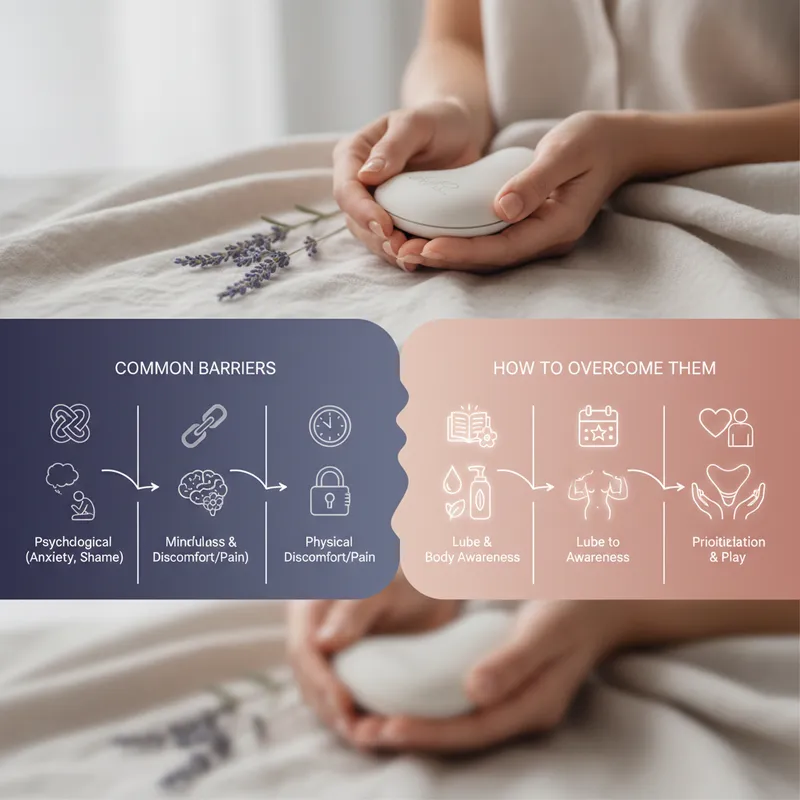
The quality of a relationship and the effectiveness of communication between partners are fundamental to shared sexual pleasure. When there are underlying issues in the relationship, such as unresolved conflicts, lack of emotional intimacy, or differing expectations, these often spill over into the bedroom, creating barriers to enjoyment. "Sex is an expression of the relationship," states relationship counselor David Chen. "If the foundation of connection and trust is weak, sexual intimacy will likely suffer."

Don't let analysis paralysis prevent you from taking action. Start with the basics and iterate based on results.
A lack of open and honest communication about sexual needs, desires, and concerns is another major hurdle. Many couples shy away from discussing sex due to embarrassment or fear of judgment, leading to unmet needs and dissatisfaction. "The most common regret I hear from couples is that they didn't talk about sex enough," says Chen. "Creating a safe space for these conversations is transformative."
The Role of Communication in Intimacy
Effective communication is the bedrock of a fulfilling sexual relationship. It involves not only talking about desires and boundaries but also actively listening to your partner's needs and feelings. When partners feel heard and understood, it fosters a deeper sense of connection and trust, which are essential for sexual pleasure. "Open dialogue about sex can feel vulnerable, but it's where true intimacy is built," notes sex educator Dr. Emily Carter.
Practicing active listening, asking open-ended questions, and expressing appreciation for your partner's efforts can significantly improve communication. Consider dedicating specific times to discuss your relationship, including your sexual connection, away from the bedroom to reduce pressure. Exploring the art of foreplay and new intimacy experiences can also be facilitated by good communication.
Addressing Relationship Conflicts and Resentment
Unresolved conflicts and simmering resentments can create a significant emotional distance between partners, directly impacting their sexual connection. When negative feelings are present, it's difficult to feel desire or be fully present during sexual activity. The emotional toll of conflict can lead to avoidance of intimacy altogether. "Resentment acts like a poison to intimacy," warns couples therapist Maria Rodriguez. "It erodes trust and creates a barrier that sex alone cannot overcome."
Addressing these issues requires a commitment to resolving conflicts constructively. This may involve learning conflict resolution skills, practicing empathy, and seeking professional help through couples counseling. "The goal isn't to eliminate conflict, but to learn how to navigate it in a way that strengthens the relationship rather than damages it," she adds. Couples therapy can provide tools for effective conflict resolution and rebuilding emotional intimacy.
Differing Libidos and Sexual Expectations
A common challenge couples face is a difference in sexual desire, or libido. One partner may want sex more frequently than the other, leading to feelings of rejection, pressure, or frustration. These discrepancies can create tension and become a significant barrier to mutual pleasure if not managed with understanding and compromise. "It's not about who is 'normal' or 'right', but about finding a balance that works for both partners," explains sex therapist Dr. Alan Grant.
Overcoming differing libidos involves open communication, empathy, and a willingness to compromise. It might mean exploring ways to increase desire for the partner with lower libido, finding ways to satisfy the partner with higher libido without pressure, or focusing on non-penetrative intimacy. "Sometimes, exploring different types of sexual activity or using sex toys can help bridge the gap and enhance pleasure for both," suggests Dr. Grant. Understanding each other's needs and finding creative solutions is key.
How to Overcome Barriers to Sexual Pleasure: A Practical Guide
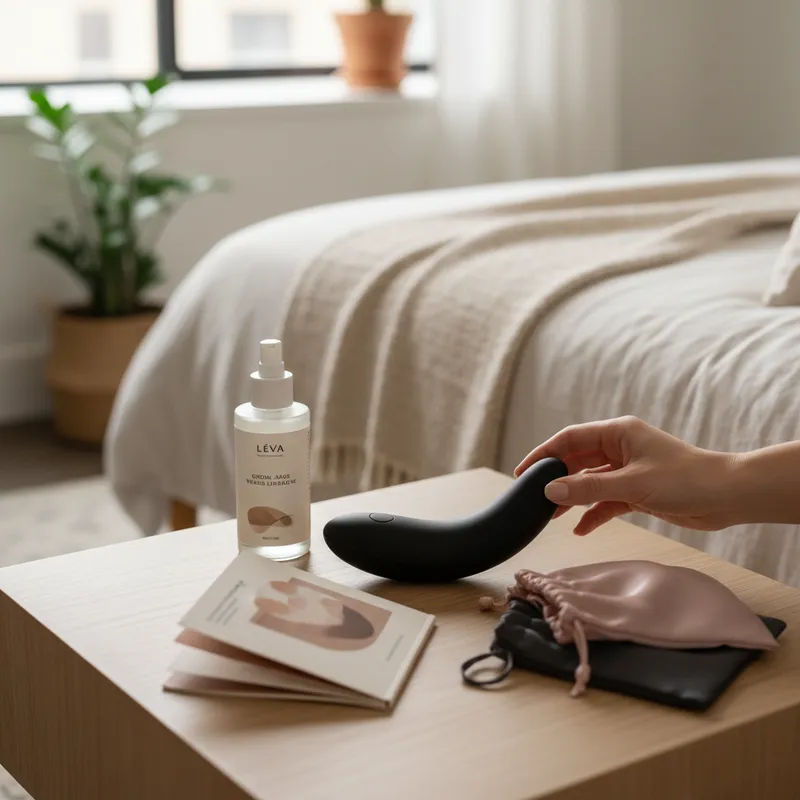
Overcoming barriers to sexual pleasure requires a proactive and often multi-faceted approach. It involves self-awareness, open communication, and sometimes professional guidance. Based on our extensive research and client feedback, here’s a structured approach to enhancing your sexual well-being and enjoying greater intimacy. Remember, patience and self-compassion are crucial throughout this process. "The journey to enhanced sexual pleasure is often one of self-discovery and requires consistent effort," notes intimacy coach Anya Sharma. "Celebrate small victories along the way."

Step 1: Foster Open and Honest Communication
Create a safe space to discuss sexual needs, desires, fantasies, and concerns with your partner. Start by expressing appreciation for your partner and your relationship. Use 'I' statements to express your feelings without blame. Listen actively and empathetically to your partner's responses.
Consider discussing topics like anatomy, desires, and boundaries.
- Schedule dedicated time for these conversations, free from distractions.
- Be specific about what you like and what you'd like to explore.
- Validate your partner's feelings and experiences, even if they differ from yours.
- Discuss boundaries and ensure mutual consent is always present.
Step 2: Prioritize Self-Care and Stress Management
Incorporate stress-reducing activities into your daily routine. This could include mindfulness meditation, yoga, deep breathing exercises, spending time in nature, or engaging in hobbies you enjoy. Prioritizing sleep and maintaining a healthy diet also contribute significantly to overall well-being and can positively impact sexual function. "When you take care of yourself, you have more energy and emotional capacity for intimacy," says wellness expert Dr. Chloe Davis.
- Practice mindfulness or meditation for at least 10 minutes daily.
- Engage in regular physical activity, which boosts mood and circulation.
- Ensure adequate sleep (7-9 hours per night).
- Limit exposure to stressors where possible and develop coping mechanisms.
Step 3: Address Physical Health Concerns
Consult with healthcare professionals to address any underlying physical or medical conditions that may be impacting your sexual pleasure. This includes discussing hormonal imbalances, chronic illnesses, medication side effects, or pain during sex. Regular check-ups are essential for maintaining overall health and identifying potential issues early. "Don't hesitate to bring up sexual health concerns with your doctor; they are trained to help," advises Dr. Ramirez.
- Schedule appointments with your primary care physician, gynecologist, or urologist.
- Be prepared to discuss your symptoms openly and honestly.
- Inquire about potential medication adjustments or alternative treatments.
- Explore options for managing chronic conditions that may affect sexual function.
Step 4: Explore Self-Pleasure and Body Awareness
Engaging in self-pleasure is a powerful way to understand your own body, discover what feels good, and build confidence. Masturbation allows you to explore your anatomy and learn about your arousal patterns and orgasmic potential without external pressure. This self-knowledge can then be shared with a partner, enhancing mutual pleasure. "Self-exploration is foundational to sexual confidence and satisfaction," states sex educator Dr. Lena Hanson. "It empowers you to know what you want and communicate it effectively."
- Set aside time for solo exploration without distractions.
- Experiment with different types of touch, pressure, and rhythm.
- Consider using vibrators or other sexual wellness products to enhance sensation.
- Pay attention to your body's responses and what brings you pleasure.
Step 5: Seek Professional Support When Needed
If you continue to struggle with barriers to sexual pleasure, seeking professional help is a sign of strength, not weakness. Therapists specializing in sexual health, couples counselors, or medical professionals can provide tailored guidance and treatment. "There is no shame in seeking help for sexual concerns," assures Dr. Evelyn Reed. "Professionals can offer objective insights and effective strategies that you might not discover on your own."
- Consider individual therapy for personal psychological or emotional issues.
- Engage in couples counseling to improve communication and address relational dynamics.
- Consult a sex therapist for specialized guidance on sexual concerns.
- Work with medical professionals to manage physical health conditions affecting sex.
Examples and Use Cases: Putting Knowledge into Practice
Applying the strategies discussed can lead to significant improvements in sexual pleasure. Here are a few examples illustrating how individuals and couples have overcome common barriers:
The best Common Barriers to Sexual Pleasure and How to Overcome Them strategy is the one that aligns with your specific business goals and resources.
-
Scenario 1: Overcoming Stress-Induced Low Libido
Sarah, a busy professional, found her libido dwindling due to work stress. She and her partner, Mark, implemented daily mindfulness exercises and scheduled 'connection time' — non-sexual intimacy like massages or deep conversations — before bed. Mark also learned to initiate intimacy gently, focusing on foreplay and Sarah's comfort, reducing her performance pressure. Within a few months, Sarah reported increased desire and enjoyment, and their overall intimacy improved. -
Scenario 2: Addressing Pain During Sex
Maria experienced pain during intercourse due to vaginal dryness exacerbated by menopause. After consulting her gynecologist, she began using a prescription vaginal estrogen cream and a high-quality water-based lubricant. She and her partner also focused on extended foreplay to ensure natural arousal. This combination significantly reduced her pain, allowing her to enjoy sex again. -
Scenario 3: Bridging Differing Libidos
David and Emily had different sexual needs, with David desiring more frequent intimacy. Instead of conflict, they sought couples counseling. They agreed to compromise: Emily committed to initiating intimacy twice a week, focusing on mutual pleasure, while David agreed to explore other forms of intimacy and use vibrators to enhance his experience when Emily wasn't feeling up to intercourse. This approach fostered understanding and satisfaction for both. -
Scenario 4: Healing from Past Trauma
Alex struggled with intimacy after a past abusive relationship. Through trauma-informed therapy, Alex learned to process the trauma and rebuild self-worth. With a new, supportive partner, Alex gradually introduced intimacy, focusing on communication, consent, and setting clear boundaries. They used lubricants and explored different sensations slowly, prioritizing Alex's comfort and emotional safety above all else.
Common Mistakes to Avoid When Addressing Sexual Pleasure Barriers

While striving to overcome barriers to sexual pleasure, it's easy to fall into common traps that can hinder progress or even worsen the situation. Being aware of these pitfalls can help you navigate the journey more effectively. "The desire to fix things quickly can sometimes lead people to overlook crucial steps or resort to ineffective solutions," notes Dr. Anya Sharma.
- Ignoring the Problem: Hoping sexual issues will resolve on their own is rarely effective. Early intervention and open discussion are key.
- Blaming Your Partner: Shifting blame prevents collaboration and damages the relationship. Focus on 'us' vs. 'the problem'.
- Stopping Medications Abruptly: Never stop prescribed medications without consulting your doctor, as this can have serious health consequences.
- Focusing Solely on Physical Solutions: Neglecting psychological, emotional, or relational aspects can lead to incomplete or temporary fixes.
- Comparing Yourself to Others: Every individual and relationship is unique. Focus on your own journey and progress.
- Being Afraid to Seek Professional Help: Therapists and doctors are valuable resources; don't let stigma prevent you from getting expert support.
- Neglecting Self-Pleasure: Understanding your own body is crucial for communicating your needs and enhancing partnered sex.
- Expecting Instant Results: Overcoming deep-seated barriers takes time, patience, and consistent effort. Celebrate incremental progress.
Frequently Asked Questions (FAQ)

What are the most common causes of low libido?
Low libido, or decreased sexual desire, is often caused by a combination of factors. These include psychological issues like stress, anxiety, and depression; physical conditions such as hormonal imbalances (low testosterone or estrogen), chronic illnesses, and fatigue; relationship problems; and side effects from certain medications. Lifestyle factors like poor diet and lack of sleep can also contribute.
Quality always trumps quantity when it comes to Common Barriers to Sexual Pleasure and How to Overcome Them implementation.
Can stress really prevent sexual pleasure?
Yes, stress is a major barrier to sexual pleasure. When stressed, the body releases cortisol, which can suppress sex hormones and reduce desire. Stress also diverts mental energy away from intimacy, making it difficult to relax, focus, and become aroused. Chronic stress can lead to a persistent lack of interest in sex and difficulties with sexual function.
How can I overcome pain during sex?
Overcoming pain during sex (dyspareunia) involves identifying the cause. Insufficient lubrication can be addressed with lubricants and increased foreplay. Medical conditions like endometriosis or infections require professional treatment. Pelvic floor physical therapy can help with muscle-related pain.
Psychological factors and anxiety may benefit from therapy and open communication with your partner.
Is it normal for libido to change over time?
Absolutely. Libido naturally fluctuates throughout life due to various factors including age, hormonal changes (like menopause or andropause), stress levels, relationship dynamics, overall health, and life events. Experiencing changes in libido is common and doesn't necessarily indicate a problem, but significant or distressing changes warrant exploration.
What role does communication play in overcoming sexual barriers?
Communication is paramount. Openly discussing desires, boundaries, concerns, and needs with a partner creates trust and understanding, which are essential for intimacy. It allows couples to address issues like differing libidos, fears, or preferences collaboratively, fostering a more satisfying sexual experience for both individuals.
When should I consider seeking professional help for sexual issues?
You should consider seeking professional help if sexual issues are causing significant distress, impacting your relationship, or persisting despite your efforts to address them. This includes persistent pain, inability to achieve orgasm, significant loss of libido, erectile dysfunction, or difficulties stemming from trauma or relationship conflict. A doctor, therapist, or sexologist can provide expert guidance.
Conclusion

Navigating the common barriers to sexual pleasure requires understanding their diverse origins—psychological, physical, and relational. By prioritizing open communication, self-care, addressing health concerns, and seeking professional support when needed, individuals and couples can overcome these obstacles. Remember that enhancing sexual pleasure is a journey of self-discovery and mutual connection. Tools and resources, like those offered by Léva, can support this journey by providing options for exploration and enjoyment.
Next Steps
- Initiate an open conversation with your partner about your sexual needs and concerns.
- Incorporate stress-management techniques into your daily routine.
- Schedule a consultation with a healthcare provider to discuss any physical symptoms.
- Explore resources for sexual health education and self-discovery.
Explore Léva for enhanced intimacy.
References
- [1] According To A 2025 (2025)
- [2] American Psychological Association (2025)
- [3] And Life Events. Experiencing Changes In Libido Is Common And Doesn't Necessarily
- [4] Care Practices Are
- [5] Connection
- [6] Couples Is That They Didn't Talk About Sex Enough
- [7] Discussing Sex Due To Embarrassment Or Fear Of Judgment
- [8] Enjoying Sexual Activity. These Can Include Stress
- [9] Exploration Is
- [10] Fully Enjoying Intimacy. These Common Barriers To Sexual Pleasure Are Diverse
- [11] If The
- [12] Intimacy
- [13] Lifestyle Changes Such As Regular Exercise
- [14] Of Adults (2026)
- [15] Past Experiences Or Societal Pressures
- [16] Sarah
- [17] Sense Of Connection And Trust
- [18] Trauma Or Relationship Conflict. A Doctor
- [19] Various Causes
- [20] We've
Ready to explore more?
Shop the Anal Pleasure & Health Book →