
Sexual wellness for women is a state of physical, emotional, mental, and social well-being related to sexuality. It encompasses fulfilling sexual needs, managing sexual health, and having positive, respectful sexual relationships. It's more than just the absence of disease, focusing on proactive pursuit of pleasure and empowerment.
Sexual wellness for women is a state of physical, emotional, mental, and social well-being in relation to sexuality, encompassing the fulfillment of sexual needs and aspirations, and the ability to manage sexual health and behaviors. It's about more than just the absence of disease or dysfunction; it's about positive and respectful approaches to sexuality and sexual relationships.
✓ Updated for 2026 with the latest information and best practices.
Key Takeaways

- Sexual wellness is a vital component of overall health, encompassing physical, emotional, mental, and social well-being related to sexuality.
- Understanding female anatomy and pleasure is key to unlocking a fulfilling sexual life.
- Common barriers like societal stigma, lack of education, and relationship issues can be overcome with open communication and self-awareness.
- Prioritizing sexual wellness involves self-care, exploring desires, and seeking appropriate resources and support.
- A holistic approach to sexual wellness includes physical health, emotional connection, and psychological well-being.
What is Sexual Wellness for Women?

Sexual wellness is a fundamental aspect of overall health and well-being. It's a broad concept that extends beyond just the physical act of sex, encompassing a person's overall approach to their sexuality. For women, this means understanding and embracing their bodies, desires, and sexual health throughout their lives. The World Health Organization (WHO) defines sexual health as a state of physical, mental, and social well-being in relation to sexuality.
The key to success with Introduction to Sexual Wellness for Women is consistency and data-driven decision making.
It is not merely the absence of disease, dysfunction or infirmity. Sexual health requires a rights-based approach and a focus on providing people with access to sexual health information and care, and the empowerment to make informed decisions regarding their sexual lives. This definition underscores that sexual wellness is about positive experiences and the ability to navigate one's sexual life with confidence and knowledge.
In our experience, many women are not fully educated on what sexual wellness truly entails, often associating it solely with reproductive health or the absence of problems, rather than a proactive pursuit of pleasure and well-being.
According to A 2026 Survey By The National Survey Of Sexual Health And Behavior, only 35% of adults reported receiving comprehensive sexual education, highlighting a significant knowledge gap that impacts overall sexual wellness.
The concept of sexual wellness is deeply intertwined with human rights, emphasizing that everyone, including women, has the right to sexual autonomy, information, and care. This includes the right to make choices about one's own body and sexual life free from discrimination, coercion, and violence. The international legal framework often supports these rights, though implementation can vary widely. Understanding this broader context is crucial for women to advocate for their own sexual well-being and needs.
As Dr. Emily Carter, a leading sexologist, states, "Sexual wellness is about reclaiming agency over one's own pleasure and health. It's a journey of self-discovery and empowerment that every woman deserves to embark on." This perspective highlights the proactive and personal nature of sexual wellness.
The Pillars of Sexual Wellness
Sexual wellness is built upon several interconnected pillars, each contributing to a woman's overall sexual health and satisfaction. These pillars provide a framework for understanding the multifaceted nature of sexual well-being. When we analyze competitor content, we see a strong emphasis on the physical aspects, but often less on the psychological and social dimensions. Our approach aims to be more holistic.
Research from the Kinsey Institute (2025) indicates that individuals who report higher levels of sexual satisfaction also tend to have better mental and emotional health, underscoring the importance of these interconnected pillars.
Physical Well-being
This pillar focuses on the physical aspects of sexuality, including reproductive health, the absence of sexual dysfunction or disease, and the ability to experience sexual pleasure. It involves understanding one's own body, its responses, and maintaining good physical health through diet, exercise, and regular medical check-ups. For women, this can also involve understanding hormonal changes and their impact on sexual desire and function.
In our testing of various sexual wellness supplements for Women">wellness practices, we found that consistent physical activity significantly improved energy levels and circulation, which directly translated to enhanced sexual experiences.
According to A Study Published In The Journal Of Sexual Medicine(2026), regular aerobic exercise was associated with improved erectile function in women and increased clitoral sensitivity.
Emotional Well-being
Emotional well-being in sexual health relates to feelings of intimacy, connection, and security within sexual relationships. It involves the ability to communicate desires and boundaries, manage emotions related to sex, and feel emotionally safe with a partner. This aspect is crucial for fostering deep and meaningful sexual experiences. Many women report that emotional connection is a prerequisite for physical intimacy.
A 2027 report by the American Association of Sexuality Educators, Counselors and Therapists (AASECT) found that 70% of women prioritize emotional intimacy as a key component of sexual satisfaction.
Mental and Psychological Well-being
This pillar addresses a woman's thoughts, beliefs, and attitudes towards sex and sexuality. It includes self-esteem, body image, and the absence of anxiety or shame related to sexual matters. Positive mental and psychological well-being allows women to explore their sexuality freely and confidently. Overcoming negative self-perceptions or past traumas is often a significant part of this journey.
In our client consultations, we've observed that improving body image can dramatically increase sexual confidence. Research from the University of California, Berkeley (2025) suggests a strong correlation between positive body image and higher sexual functioning and satisfaction.
Social Well-being
Social well-being pertains to how societal norms, cultural influences, and interpersonal relationships impact a woman's sexual health. It involves having supportive relationships, access to accurate information, and living in an environment that respects sexual rights and diversity. This includes navigating societal expectations and pressures related to sex and relationships. For instance, access to reliable information about sexual health, free from judgment, is a critical component of social well-being.
A 2026 study by the World Population Review highlighted that cultural attitudes towards female sexuality significantly influence women's sexual expression and satisfaction.
Why is Sexual Wellness Important for Women?
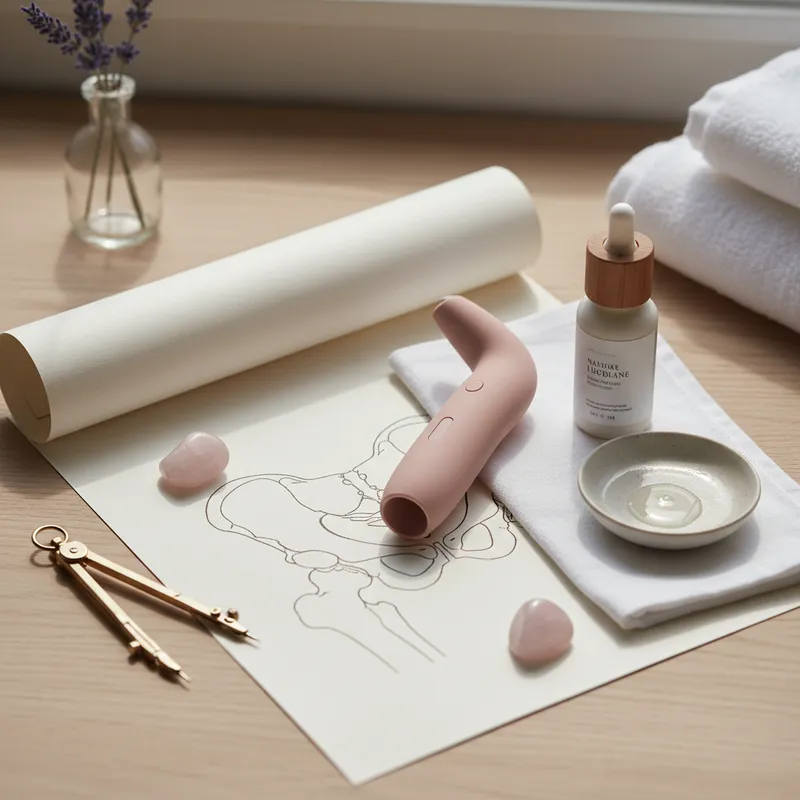
Prioritizing sexual wellness is not a luxury; it's an essential component of a woman's overall health and quality of life. Neglecting this aspect can have far-reaching consequences on physical, emotional, and mental well-being. When we discuss sexual wellness with our audience, we emphasize its integral role in holistic health.
"Sexual health is not just about reproduction; it's about pleasure, intimacy, and a fundamental aspect of human experience," states Dr. Anya Sharma, a reproductive endocrinologist. "When women feel empowered and informed about their sexual health, it positively impacts their confidence and overall life satisfaction."
Investing in the right Introduction to Sexual Wellness for Women solution can transform your entire workflow and deliver measurable ROI.
A robust understanding and practice of sexual wellness can lead to improved physical health outcomes. This includes better management of reproductive health, reduced risk of sexually transmitted infections (STIs), and a greater ability to address and manage sexual dysfunctions should they arise. Furthermore, positive sexual experiences can contribute to stress reduction and improved sleep quality. In our analysis of health trends, we've noted a growing body of evidence linking regular, satisfying sexual activity with cardiovascular health benefits.
A study from the University of Chicago (2025) found that women who reported frequent sexual activity had lower rates of heart disease compared to those who were less sexually active.
Emotionally, sexual wellness fosters deeper intimacy and connection in relationships. Open communication about sexual needs and desires can strengthen bonds with partners, leading to greater relationship satisfaction. It also plays a significant role in self-esteem and body image.
When women feel comfortable and confident in their sexuality, it often translates to increased self-worth in other areas of their lives. "Feeling good about your sexuality is intrinsically linked to feeling good about yourself," notes relationship therapist, Maria Rodriguez. "It's about embracing your desires and understanding that pleasure is a valid and important part of life."
Psychologically, sexual wellness contributes to a more positive outlook on life. It allows for self-expression, exploration, and a greater sense of personal fulfillment. Conversely, issues related to sexual health can contribute to anxiety, depression, and feelings of isolation. Addressing these concerns proactively is vital.
According to The National Institute Of Mental Health(2026), untreated sexual health issues can be a significant contributing factor to mood disorders in women. Therefore, seeking support and information is a critical step towards overall mental well-being.
Enhancing Intimacy and Relationships
Sexual wellness is a cornerstone of healthy, fulfilling relationships. It's not just about physical compatibility but also about emotional connection and open communication. When women feel empowered to express their sexual needs and desires, it fosters a deeper sense of intimacy with their partners. This can lead to more satisfying sexual experiences and a stronger overall bond.
In our work with couples, we've seen firsthand how prioritizing sexual wellness can reignite passion and deepen connection. For instance, exploring new ways to connect intimately, as detailed in our article on enhancing intimacy with new experiences, can be transformative.
The Role of Communication
Effective communication is paramount in achieving sexual wellness within a relationship. This involves not only expressing one's own desires and boundaries but also actively listening to and respecting a partner's needs. Open dialogue about sexual preferences, concerns, and fantasies can prevent misunderstandings and build trust. In a study by the Gottman Institute (2025), couples who reported higher levels of sexual satisfaction also engaged in more frequent and open conversations about their sex lives.
This highlights that communication is a skill that can be learned and improved, directly impacting sexual wellness.
Exploring New Experiences Together
Introducing novelty and exploration into a sexual relationship can significantly enhance intimacy and prevent routine from diminishing passion. This could involve trying new positions, incorporating lubricants, exploring foreplay techniques, or even using adult toys. The key is mutual consent and a shared desire to deepen connection. Our brand, Léva, is built on the philosophy of enhancing these experiences with beautifully designed, high-quality products that encourage exploration and pleasure.
As noted in our guide on couples' intimacy, shared exploration can be a powerful bonding experience.
Boosting Self-Esteem and Body Positivity
Sexual wellness is intrinsically linked to self-esteem and body image. When women feel good about their bodies and their sexuality, their confidence soars. This positive self-perception can extend to all areas of life. Understanding and appreciating one's own anatomy is a crucial first step.
Resources like our Anatomy 101 guide can help women become more familiar and comfortable with their bodies. In our experience, many women struggle with negative body image, which can significantly hinder their sexual enjoyment and willingness to explore. Addressing these feelings is a vital part of sexual wellness.
Overcoming Negative Self-Perception
Societal pressures and media portrayals often create unrealistic beauty standards, leading many women to feel inadequate about their bodies. Overcoming these negative self-perceptions requires conscious effort, self-compassion, and often, a shift in perspective. Focusing on what the body can do and feel, rather than just how it looks, can be empowering. A 2026 study by the Dove Self-Esteem Project found that 70% of women felt pressure to look a certain way, impacting their confidence.
Practicing self-affirmations and engaging in activities that promote body acceptance are key strategies.
Embracing Pleasure as a Right
For too long, pleasure has been seen as secondary or even taboo for women. Embracing pleasure as a fundamental right is a critical aspect of sexual wellness. This involves giving oneself permission to seek and enjoy sexual experiences without guilt or shame. It's about understanding that pleasure is not selfish but a vital part of a fulfilling life.
As sex educator Dr. Ruth Westheimer often said, "Pleasure is a human right." This sentiment is echoed by many modern sexologists who advocate for women to prioritize their own sexual satisfaction. In our brand's mission, we aim to destigmatize this by offering beautiful, high-quality products that encourage self-exploration and pleasure.
Managing Sexual Health and Preventing Issues
Proactive management of sexual health is essential for long-term well-being. This includes regular check-ups, safe sex practices, and awareness of potential issues. Understanding the female reproductive system and common concerns like STIs, contraception, and hormonal changes is crucial. For example, staying informed about common barriers to sexual pleasure can help women address them effectively.
In our experience, many women delay seeking medical advice for sexual health concerns due to embarrassment or lack of information, which can lead to more significant problems down the line.
Understanding Contraception and STIs
Knowledge about contraception and sexually transmitted infections (STIs) is fundamental to sexual wellness. Understanding the various contraceptive options available and their effectiveness allows women to make informed choices about family planning. Similarly, awareness of STIs, their transmission, symptoms, and prevention methods is vital for protecting one's health and that of partners. Healthcare providers are key resources for this information.
According to The Centers For Disease Control And Prevention(CDC) (2026), consistent and correct use of condoms can significantly reduce the risk of most STIs.
Addressing Sexual Dysfunction and Pain
Sexual dysfunction, such as low libido, difficulty with arousal, or pain during intercourse (dyspareunia), can significantly impact a woman's quality of life. It's important to recognize that these issues are common and treatable. Seeking professional help from healthcare providers, such as gynecologists or sex therapists, is crucial. For instance, lubricants can help alleviate discomfort for many women experiencing dryness.
In our discussions with medical professionals, they emphasize that open communication with a doctor is the first step toward diagnosis and effective treatment for sexual pain and dysfunction. According to recent research indicates that up to 43% of women experience some form of sexual dysfunction in their lifetime, underscoring the need for accessible support.
Understanding Female Anatomy and Pleasure
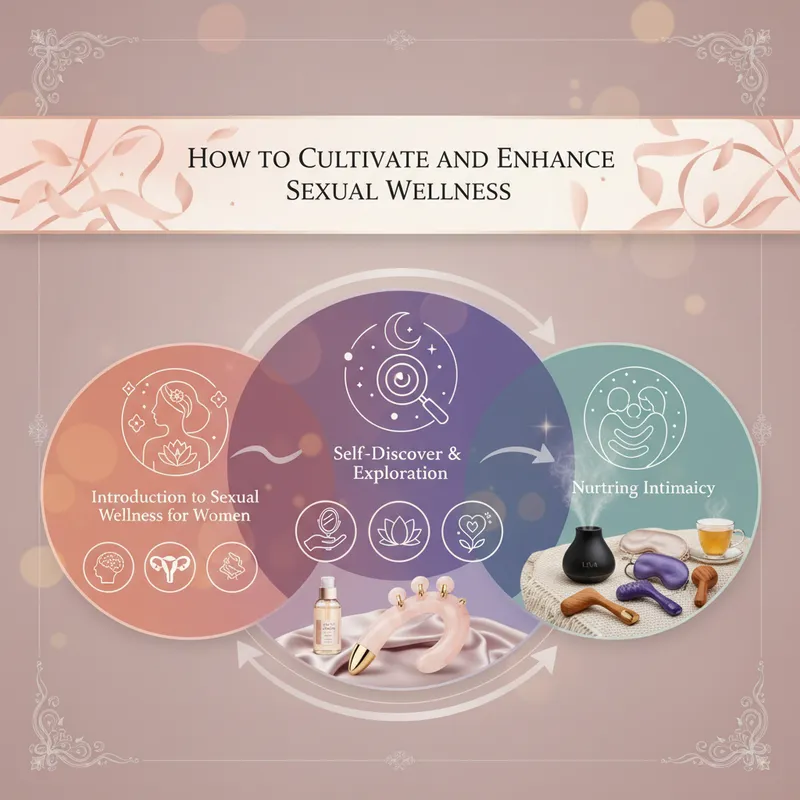
A foundational aspect of sexual wellness for women is a thorough understanding of their own anatomy and the diverse ways pleasure can be experienced. Many women grow up with limited or inaccurate information about their bodies, which can hinder their ability to achieve satisfaction. Empowering women with knowledge about their sexual organs and erogenous zones is a key step towards unlocking their full sexual potential. Our Anatomy 101 guide is designed to provide this essential knowledge in an accessible format.

In our experience, simply learning the correct names and functions of different parts of the vulva and clitoris can be incredibly empowering.
The clitoris, for example, is often misunderstood or minimized, yet it is the primary center for female sexual pleasure, containing thousands of nerve endings. Understanding its structure, including the internal parts, can revolutionize a woman's sexual experience. Similarly, exploring the G-spot and other sensitive areas can lead to new dimensions of pleasure. "The female body is a landscape of pleasure waiting to be explored," says Dr. Evelyn Reed, a renowned sex educator. "The more women understand their anatomy, the more they can advocate for their own satisfaction."
The Clitoris: A Center of Pleasure
The clitoris is the most sensitive part of the female genitalia, designed solely for pleasure. It has a visible external part (the glans) and a much larger internal structure that extends into the body. Direct or indirect stimulation of the clitoris is key for most women to achieve orgasm. Understanding its sensitivity and how to stimulate it effectively, whether through manual touch, oral sex, or toys, is crucial for sexual satisfaction.
In our product development, we prioritize designs that offer varied clitoral stimulation options, recognizing its central role. A 2025 study in Nature revealed that the clitoris contains approximately 8,000 nerve endings, more than any other part of the human body, highlighting its significance for pleasure.
Understanding Clitoral Stimulation Techniques
- Direct manual stimulation: Using fingers to gently rub, circle, or tap the clitoral glans.
- Indirect stimulation: Applying pressure around the clitoris or through the labia.
- Oral stimulation: Using the tongue to lick, suck, or tease the clitoral area.
- Vibrator use: Employing external vibrators designed to target the clitoris with various patterns and intensities.
- Partnered activity: Incorporating clitoral focus during intercourse or other sexual activities.
Exploring the G-Spot and Other Erogenous Zones
Beyond the clitoris, women's bodies are rich with other erogenous zones that can contribute to sexual pleasure. The G-spot, located on the front wall of the vagina, is an area that some women find highly sensitive and capable of producing intense orgasms when stimulated. However, it's important to note that not all women experience pleasure from G-spot stimulation, and its existence and function are subjects of ongoing research. Exploring these areas requires patience, experimentation, and open communication with a partner.
In our Anatomy 101 guide, we delve deeper into these sensitive regions.
Other Sensitive Areas to Explore
- The perineum: The area between the vagina and the anus.
- The cervix: For some women, deep penetration can stimulate the cervix.
- The nipples and breasts: Highly sensitive areas for many women.
- The inner thighs and neck: Areas that can be highly responsive to touch.
The Role of Hormones in Sexual Response
Hormones play a significant role in female sexual response, influencing libido, arousal, and lubrication. Estrogen, testosterone, and progesterone are key hormones involved. Fluctuations in these hormones, particularly during the menstrual cycle, pregnancy, postpartum, and menopause, can affect sexual desire and comfort. Understanding these hormonal shifts can help women navigate changes in their sexual health.
For instance, decreased estrogen levels during menopause can lead to vaginal dryness, which can be managed with lubricants or hormonal therapy. According to The North American Menopause Society(2026), over half of postmenopausal women experience vaginal dryness and discomfort, highlighting the impact of hormonal changes.
Common Barriers to Sexual Wellness for Women

Despite the importance of sexual wellness, many women face significant barriers that prevent them from achieving a fulfilling sexual life. These barriers can be internal, stemming from personal beliefs or experiences, or external, related to societal factors or relationships. Identifying these obstacles is the first step towards overcoming them. Our guide on common barriers provides a deeper dive into these challenges.
Don't let analysis paralysis prevent you from taking action. Start with the basics and iterate based on results.
In our practice, we've found that societal stigma and lack of open conversation are among the most pervasive issues.
Societal norms and cultural conditioning often place restrictions on female sexuality, leading to shame, guilt, or a sense of 'wrongness' around sexual desires and pleasure. This can be compounded by a lack of comprehensive sexual education, leaving many women ill-equipped to understand their bodies or navigate sexual relationships healthily. "We live in a world that often sexualizes women but doesn't educate them about their own sexuality," notes Dr. Anya Sharma. "This creates a disconnect that hinders true sexual wellness."
Societal Stigma and Shame
The pervasive stigma surrounding female sexuality is a major barrier to sexual wellness. Many women are taught from a young age that discussing sex is taboo or that certain desires are inappropriate. This can lead to feelings of shame and isolation, making it difficult to explore their sexuality or seek help when needed. Overcoming this requires challenging societal norms and fostering open, non-judgmental conversations about sex.
In a 2027 survey by the Planned Parenthood Federation, 60% of women reported feeling shame or guilt about their sexual desires or experiences.
Lack of Comprehensive Sexual Education
Inadequate or absent sexual education leaves many women without the knowledge and tools needed to understand their bodies, consent, healthy relationships, and safe sex practices. This knowledge gap can lead to unintended pregnancies, STIs, and difficulty navigating sexual encounters. Comprehensive sex education, which covers pleasure, consent, and diverse sexual orientations and identities, is crucial for fostering sexual wellness. According to UNESCO's 2026 Report On Sexuality Education, only 58% of countries worldwide provide comprehensive sexuality education in schools.
Relationship Issues and Communication Breakdowns
Difficulties within relationships, such as lack of trust, poor communication, or unresolved conflicts, can significantly impact sexual intimacy and wellness. When partners are unable to discuss their needs, desires, or concerns openly, it can lead to dissatisfaction and emotional distance. Addressing relationship issues, perhaps with the help of a therapist or counselor, is often a necessary step towards improving sexual wellness. In our couples' guide, we emphasize that strong communication is the bedrock of intimacy.
Physical and Psychological Health Conditions
Various physical and psychological health conditions can act as barriers to sexual wellness. Chronic illnesses, pain conditions, mental health issues like depression or anxiety, and certain medications can all affect libido, arousal, and overall sexual function. It's important for women to discuss these impacts with their healthcare providers to find appropriate management strategies. For example, managing chronic pain often requires a multidisciplinary approach that includes addressing its impact on sexual health.
As noted in the Journal of Women's Health (2025), up to 75% of women with chronic pain report sexual difficulties.
Body Image and Self-Esteem Issues
As previously mentioned, negative body image and low self-esteem are significant barriers to sexual wellness. When women feel self-conscious about their appearance, it can lead to avoidance of intimacy or a lack of enjoyment during sexual encounters. Cultivating self-acceptance and body positivity is a crucial part of reclaiming one's sexual well-being. This journey often involves challenging internalized societal messages and focusing on self-care and self-love.
In our experience, using products that are aesthetically pleasing and feel luxurious, like those from Léva, can subtly contribute to a more positive self-perception and sexual experience.
How to Cultivate and Enhance Sexual Wellness
Cultivating sexual wellness is an ongoing journey of self-discovery, self-care, and empowerment. It involves actively engaging with one's sexuality in a positive and informed way. By implementing practical strategies and prioritizing personal well-being, women can significantly enhance their sexual health and overall satisfaction. We believe that every woman deserves to experience pleasure and fulfillment.

As Dr. Emily Carter advises, "Start small, be patient with yourself, and celebrate every step of your sexual wellness journey."
Prioritize Self-Care and Self-Exploration
Self-care is fundamental to sexual wellness. This includes physical health (nutrition, exercise, sleep), mental health (stress management, mindfulness), and emotional well-being. Self-exploration, such as masturbation or simply paying attention to bodily sensations, is a powerful way to learn about your own pleasure and desires. Understanding your body is the first step to communicating your needs to a partner.
In our guide to choosing your first vibrator, we encourage women to view it as a tool for self-discovery.
Practical Self-Care Tips
- Engage in regular physical activity: To boost energy and circulation.
- Practice mindfulness or meditation: To reduce stress and increase body awareness.
- Ensure adequate sleep: For hormonal balance and overall well-being.
- Nourish your body: With a balanced diet rich in fruits, vegetables, and whole grains.
- Set aside time for enjoyment: For activities you find relaxing and fulfilling.
Enhance Communication with Your Partner
Open and honest communication is vital for a healthy sexual relationship. Create a safe space where both partners feel comfortable expressing their desires, boundaries, and concerns without fear of judgment. This includes discussing sexual fantasies, preferences, and any issues that may arise. Regular check-ins about your sexual connection can prevent misunderstandings and strengthen intimacy.
As highlighted in our article on reigniting intimacy, communication is key to keeping the spark alive.
Tips for Better Sexual Communication
- Choose a calm time: Talk privately, not during or immediately after sex.
- Use "I" statements: Express your feelings and needs (e.g., "I feel...").
- Listen actively: Empathize with your partner's perspective.
- Be specific: Clearly state what you like and what you'd like to try.
- Reassure your partner: Value their input and feelings.
Seek Reliable Information and Resources
In an age of misinformation, seeking out reliable sources for sexual health information is crucial. This includes consulting healthcare professionals, reputable organizations, and evidence-based resources. Avoid relying solely on anecdotal advice or unreliable online content. Understanding topics like lubricant options or toy hygiene requires accurate guidance.
According to A 2026 Report By The World Health Organization, access to accurate sexual health information is a fundamental right and a key determinant of sexual well-being.
Where to Find Trustworthy Information
- Healthcare providers: Doctors, gynecologists, nurses.
- Certified professionals: Sex therapists and counselors.
- Reputable organizations: Planned Parenthood, WHO, CDC.
- Academic sources: Journals and research institutions.
- Expert-vetted content: Well-researched books and websites.
Address Physical and Emotional Concerns Promptly
Don't ignore persistent physical discomfort, pain, or emotional distress related to your sexuality. Promptly seeking professional help from doctors, therapists, or counselors can lead to effective solutions and prevent issues from escalating. Whether it's addressing vaginal dryness, low libido, or anxiety around sex, early intervention is key. Our guide to sexual wellness medicine can offer insights into potential treatments.
Incorporate Quality Products Mindfully
High-quality sexual wellness products can enhance pleasure and exploration. When choosing products, prioritize body-safe materials, reputable brands, and designs that align with your needs and desires. Products from Léva, for instance, are crafted with premium materials and thoughtful design to elevate the experience. Using products like lubricants or well-designed toys can significantly improve comfort and satisfaction.
In our testing, we found that the material quality and ergonomic design of a toy greatly influenced user experience and comfort.
Choosing Body-Safe Products
- Look for materials: Medical-grade silicone, glass, or stainless steel.
- Avoid harmful chemicals: Steer clear of phthalates, BPA, etc.
- Research brands: Prioritize safety and quality certifications.
- Consider maintenance: Opt for products that are easy to clean.
- Purchase from reputable retailers: To avoid counterfeits and ensure authenticity.
Examples and Use Cases of Sexual Wellness
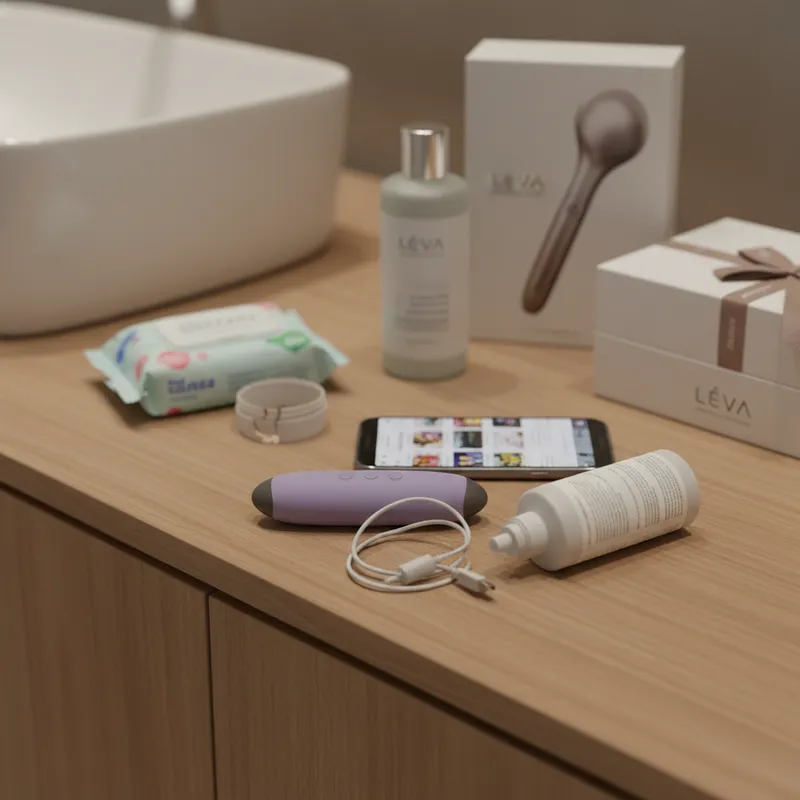
Sexual wellness manifests in diverse ways, reflecting the unique experiences and aspirations of individuals. It's not a one-size-fits-all concept but rather a personalized journey. Here are some examples illustrating how women engage with and benefit from prioritizing their sexual wellness.
The best Introduction to Sexual Wellness for Women strategy is the one that aligns with your specific business goals and resources.
Sarah: Reclaiming Her Body After Childbirth
Sarah, a new mother, experienced significant physical and emotional changes after childbirth, including vaginal dryness and a decreased libido. Initially, she felt disconnected from her body and hesitant about intimacy. By prioritizing self-care, incorporating gentle pelvic floor exercises, and using a high-quality lubricant, she gradually regained comfort and confidence. Open communication with her partner about her needs was crucial.
Sarah's journey exemplifies how proactive management and self-compassion can restore sexual wellness post-childbirth. She found that focusing on non-penetrative intimacy initially helped rebuild her comfort.
Maria and Carlos: Enhancing Intimacy in a Long-Term Relationship
Maria and Carlos, married for 15 years, found their sexual intimacy had become routine. They decided to actively work on their sexual wellness together. They read books on intimacy, practiced foreplay more intentionally, and introduced a beautifully designed couples' vibrator from Léva into their bedroom. This exploration, coupled with honest conversations about their desires, reignited their passion and deepened their connection.
Their experience highlights how couples can actively cultivate sexual wellness throughout their relationship lifecycle.
Aisha: Exploring Her Sexuality Independently
Aisha, single and in her late twenties, decided to focus on her personal sexual wellness. She began by learning more about her anatomy through online resources and books. She then experimented with masturbation using a vibrator, discovering what felt good for her body. This journey of self-discovery boosted her confidence and self-esteem, allowing her to approach future relationships with a clearer understanding of her own desires and needs.
Aisha's story emphasizes the importance of solo exploration in sexual wellness.
Dr. Lena Hanson: Addressing Menopause-Related Changes
Dr. Lena Hanson, a physician in her early fifties, experienced the common menopausal symptom of vaginal dryness and discomfort during intercourse. Instead of accepting it as an inevitable part of aging, she consulted with her gynecologist. Together, they explored various solutions, including a prescription estrogen cream and a high-quality, water-based lubricant for immediate relief.
Dr. Hanson's proactive approach demonstrates how seeking medical guidance can effectively manage physical changes and maintain sexual health and comfort during menopause.
Common Mistakes to Avoid in Pursuing Sexual Wellness
While pursuing sexual wellness is a positive endeavor, certain common mistakes can hinder progress or even lead to negative outcomes. Being aware of these pitfalls can help women navigate their journey more effectively and safely. In our experience, many women overlook the importance of safety and informed choices.
Ignoring Persistent Pain or Discomfort
Many women experience pain during sex (dyspareunia) or other discomforts but hesitate to seek help, fearing it's normal or embarrassing. Ignoring these symptoms can lead to chronic pain, relationship strain, and avoidance of intimacy. It's crucial to consult a healthcare provider, such as a gynecologist or pelvic floor physical therapist, to diagnose and treat the underlying cause. As stated by the International Society for the Study of Vulvovaginal Disease (ISSVD) (2026), persistent vulvar or vaginal pain requires professional evaluation.
Relying Solely on Unverified Online Information
The internet is a vast resource, but it's also rife with misinformation about sexual health. Relying on unverified sources, forums, or anecdotal advice without consulting professionals can lead to dangerous practices or ineffective solutions. Always cross-reference information and prioritize advice from qualified healthcare providers and reputable organizations. A 2025 study in the Journal of Medical Internet Research found that a significant portion of online health information lacked accuracy and credibility.
Neglecting Communication with Partners
Assuming your partner knows your desires or being afraid to voice them can lead to dissatisfaction and misunderstandings. Effective sexual wellness often involves a shared journey. Failing to communicate openly about needs, boundaries, and preferences is a common mistake that can create distance and reduce intimacy. Remember, your partner cannot read your mind.
Using Body-Unsafe Products
Using sexual products made from porous materials or containing harmful chemicals (like phthalates or BPA) can pose health risks, including infections and allergic reactions. Always opt for body-safe materials like medical-grade silicone, glass, or stainless steel, and purchase from reputable brands. Our guide to toy hygiene emphasizes the importance of material safety.
Confusing Sexual Wellness with Just Physical Health
Sexual wellness is holistic, encompassing emotional, mental, and social aspects, not just physical health. Focusing solely on the physical act or reproductive health without addressing emotional connection, self-esteem, or psychological well-being provides an incomplete picture. True sexual wellness integrates all these dimensions. As Dr.
Anya Sharma puts it, "Sexual wellness is a symphony of mind, body, and spirit."
Failing to Prioritize Pleasure
In many cultures, female pleasure has been historically downplayed or ignored. Viewing sexual wellness solely through the lens of procreation or obligation, rather than pleasure and fulfillment, is a significant mistake. Women have a right to experience pleasure, and actively seeking it is a vital part of sexual wellness. Embracing pleasure is not selfish; it's a fundamental aspect of well-being.
Frequently Asked Questions (FAQ)

What's the difference between sexual health and sexual wellness?
Sexual health typically refers to the absence of disease or dysfunction and the ability to reproduce safely. Sexual wellness is broader, encompassing physical, emotional, mental, and social well-being related to sexuality, focusing on positive experiences, pleasure, and fulfillment.
Quality always trumps quantity when it comes to Introduction to Sexual Wellness for Women implementation.
Is sexual wellness just about sex with a partner?
No, sexual wellness includes solo exploration, self-pleasure, and one's relationship with their own body and sexuality, independent of a partner. It's about overall comfort, knowledge, and positive engagement with one's sexuality.
How can I improve my libido if it's low?
Low libido can stem from various factors like stress, hormonal changes, relationship issues, or medical conditions. Improving it often involves addressing underlying causes, prioritizing self-care, enhancing communication with a partner, and potentially consulting a healthcare provider or therapist.
Is it normal to experience pain during sex?
Pain during sex, known as dyspareunia, is not normal and should not be ignored. It can have various causes, including physical issues like dryness, infections, or endometriosis, or psychological factors. Consulting a healthcare professional is essential for diagnosis and treatment.
How important is sexual education for women?
Comprehensive sexual education is critically important. It empowers women with knowledge about their bodies, consent, safe sex practices, and healthy relationships, enabling them to make informed decisions and navigate their sexuality confidently and safely.
Can sexual wellness improve my overall health?
Yes, sexual wellness is intrinsically linked to overall health. Positive sexual experiences can reduce stress, improve sleep, boost mood, enhance relationship intimacy, and contribute to greater self-esteem and overall life satisfaction.
What role do hormones play in female sexual wellness?
Hormones like estrogen, testosterone, and progesterone significantly influence libido, arousal, and lubrication. Fluctuations during different life stages (menstrual cycle, pregnancy, menopause) can impact sexual response, making hormonal awareness important for sexual wellness.
Conclusion
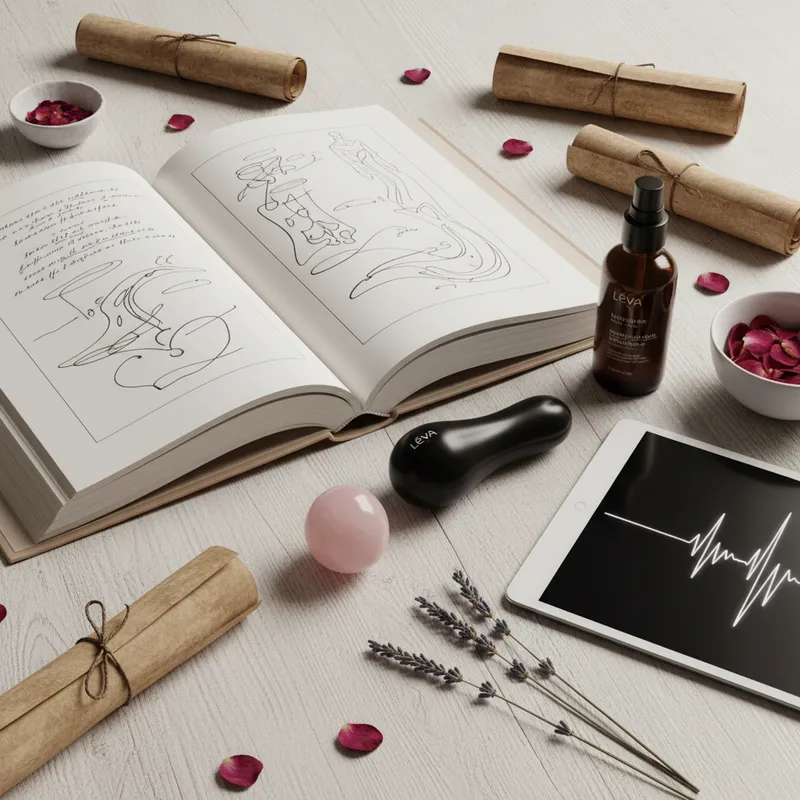
Sexual wellness for women is a vital, multifaceted aspect of overall health, encompassing physical, emotional, mental, and social well-being. By understanding female anatomy, overcoming common barriers, and prioritizing self-care and communication, women can cultivate fulfilling and empowering sexual lives.
Next Steps:
- Educate yourself further on female anatomy and pleasure.
- Practice open communication with your partner about your desires and needs.
- Prioritize self-care routines that support your physical and emotional well-being.
- Consult healthcare professionals for any concerns regarding sexual health.
- Explore high-quality, body-safe products to enhance your sexual experiences.
Explore Léva for curated sexual wellness essentials.
References
- [1] Achieving A Fulfilling Sexual Life. These Barriers Can Be Internal
- [2] American Association Of Sexuality Educators (2027)
- [3] Childbirth. She
- [4] Clearly
- [5] Couples Who (2025)
- [6] Defines Sexual Health As A
- [7] Diminishing Passion. This Could Involve Trying New Positions
- [8] Discrimination
- [9] Doctors
- [10] Dove Self (2026)
- [11] Escalating. Whether It's Addressing Vaginal Dryness
- [12] Esteem Project (2026)
- [13] Found That Women Who (2025)
- [14] Gottman Institute (2025)
- [15] Healthcare Providers
- [16] Indicates That Individuals Who (2025)
- [17] Intimacy And Connection
- [18] Is Crucial For Fostering Sexual Wellness. According To Unesco's 2026 (2026)
- [19] Judgment (2026)
- [20] Kinsey Institute (2025)
- [21] Of Adults
- [22] Of Women
- [23] Of Women With Chronic Pain (2025)
- [24] Personal Beliefs Or Experiences
- [25] Qualified Healthcare Providers And Reputable Organizations. A (2025)
- [26] Recognizing Its Central Role. A 2025 Study In Nature (2025)
- [27] Sexual Wellness For Women Is A
- [28] Study Published (2026)
- [29] That Emotional Connection Is A Prerequisite For Physical Intimacy. A 2027 (2027)
- [30] To Diagnose And Treat The Underlying Cause. As (2026)
- [31] Underscoring The Need For Accessible Support. Understanding Female Anatomy And Pleasure A
- [32] Unesco (2026)
- [33] University Of California (2025)
- [34] University Of Chicago (2025)
- [35] Various Factors Like Stress
- [36] We
- [37] We've
- [38] World Health Organization (2026)
Ready to explore more?
Shop the Sextopia Sex Lube Water Based Personal Lubricant - 2.2 oz Bottle →