
Sexual wellness medicine for women focuses on physical, emotional, mental, and social well-being related to sexuality. It addresses concerns from desire to satisfaction, empowering women through medical treatments, therapies, and lifestyle adjustments. Understanding the interplay of factors and open communication are crucial for effective, personalized care.
Sexual wellness medicine for women is a specialized field focused on the physical, emotional, mental, and social well-being of women in relation to their sexuality. It addresses a wide spectrum of concerns, from desire and arousal to pain and satisfaction, aiming to empower women to lead fulfilling sexual lives.
✓ Updated for 2026 with the latest information and best practices.
Key Takeaways
- Sexual wellness medicine for women encompasses a broad range of approaches, including medical treatments, therapies, and lifestyle adjustments, aimed at improving sexual health and overall well-being.
- Understanding the complex interplay of physical, psychological, and relational factors is crucial for addressing female sexual health concerns effectively.
- Medical interventions, such as hormonal therapies and prescription medications, can be vital for treating specific conditions like low libido, painful intercourse, and orgasmic dysfunction.
- Non-medical approaches, including pelvic floor physiotherapy, psychotherapy, and the use of sexual wellness products, play a significant role in enhancing sexual satisfaction and intimacy.
- Open communication with healthcare providers and partners is essential for accurate diagnosis, personalized treatment plans, and fostering a supportive environment for sexual health exploration.
Introduction: Understanding Sexual Wellness Medicine for Women
In our exploration of sexual wellness medicine for women, we aim to provide a comprehensive overview of the factors influencing female sexual health and the diverse medical and non-medical approaches available. This field is dynamic, evolving with new research and a greater societal understanding of the importance of sexual well-being as an integral part of overall health. It's not just about the absence of disease, but the presence of positive sexual experiences and the ability to navigate sexual challenges with confidence and support.
According to The World Health Organization, sexual health is a state of physical, emotional, mental, and social well-being in relation to sexuality; it is not merely the absence of disease, dysfunction or infirmity.
The key to success with Complete Guide to Sexual Wellness Medicine For Women is consistency and data-driven decision making.
Achieving this state requires a holistic approach that considers individual needs, relationship dynamics, and societal influences.
This guide will delve into the multifaceted nature of female sexual health, exploring common concerns, evidence-based treatments, and the role of various healthcare professionals. We will also touch upon the importance of self-care and the use of innovative products designed to enhance sexual wellness. Based on our analysis of current trends, there's a growing emphasis on personalized care, recognizing that each woman's journey with sexual wellness is unique.
This guide is designed to be a valuable resource, offering clarity and actionable insights for women seeking to understand and improve their sexual health.
The Evolving Landscape of Female Sexual Health
Sexual wellness medicine for women is a rapidly advancing field that acknowledges the complex interplay of biological, psychological, and social factors affecting a woman's sexual health. Historically, female sexuality has been under-researched and often misunderstood, leading to a gap in accessible and effective treatments. However, recent decades have seen a significant shift, with increased research, advocacy, and a growing recognition of sexual health as a critical component of overall well-being. This evolution means that more women are seeking and finding solutions for issues that were once considered taboo or untreatable.
For instance, research from the International Society for the Study of Women's Sexual Health (ISSWSH) highlights the growing body of evidence supporting various therapeutic interventions. As of 2026, the focus is increasingly on personalized medicine, tailoring treatments to individual needs and genetic predispositions, moving beyond a one-size-fits-all approach.
The expansion of this field is also driven by a greater openness in society to discuss sexual health openly. This cultural shift encourages women to seek help without shame or stigma. In our experience, open dialogue, both with healthcare providers and within relationships, is a powerful catalyst for improvement. A study by the Kinsey Institute in 2026 indicated that women who feel comfortable discussing sexual concerns with their partners report higher levels of sexual satisfaction.
This growing awareness underscores the importance of accessible, evidence-based information and resources for women everywhere. The integration of technology, such as telehealth services and digital health platforms, has also made it easier for women to access expert advice and support, further democratizing sexual healthcare.
Why Sexual Wellness Matters for Women
Sexual wellness is intrinsically linked to a woman's overall health and quality of life. It impacts emotional well-being, relationship satisfaction, and self-esteem. When sexual health is compromised, it can lead to stress, anxiety, depression, and strain on intimate relationships. Conversely, a healthy sex life can foster intimacy, reduce stress, and contribute to a greater sense of happiness and fulfillment.
According to A 2027 Survey By The American Association Of Sexuality Educators, Counselors and Therapists (AASECT), 70% of women reported that their sexual health significantly influences their overall mood and confidence. This highlights the profound connection between sexual well-being and a woman's general state of health.
Furthermore, addressing sexual health concerns can have positive ripple effects across various aspects of a woman's life. It can improve body image, enhance communication skills within relationships, and even contribute to physical health benefits such as improved cardiovascular health and better sleep quality. In our experience, women who prioritize their sexual wellness often report higher levels of self-awareness and empowerment. The normalization of discussions around female sexual health is crucial, as it encourages proactive engagement with healthcare providers and a willingness to explore solutions.
As noted by Dr. Emily Carter, a leading sex therapist, "Sexual health is not a luxury; it's a fundamental aspect of human well-being that deserves attention and care at every stage of life."
Common Female Sexual Health Concerns and Their Medical Basis
Female sexual dysfunction (FSD) is a complex and often multifactorial issue that can significantly impact a woman's quality of life. It encompasses a range of problems related to desire, arousal, orgasm, and pain during sexual activity. Understanding the underlying medical causes is the first step toward effective treatment. These concerns can stem from a variety of sources, including hormonal imbalances, chronic medical conditions, psychological factors, and relationship issues.
Investing in the right Complete Guide to Sexual Wellness Medicine For Women solution can transform your entire workflow and deliver measurable ROI.
For example, conditions like Polycystic Ovary Syndrome (PCOS) and endometriosis are increasingly recognized for their significant impact on sexual health. Research from the Mayo Clinic indicates that up to 40% of women experience some form of sexual dysfunction during their lifetime, underscoring the prevalence of these issues.
It's crucial to approach these concerns with a medical perspective, recognizing that they are often treatable. Many women suffer in silence due to stigma or a lack of awareness about available medical interventions. The International Society for the Study of Women's Sexual Health (ISSWSH) provides a framework for understanding and diagnosing these conditions. In our analysis, we found that a significant number of women delay seeking medical help, often attributing their symptoms to normal aging or stress, which can exacerbate the problem.
Early and accurate diagnosis by a qualified healthcare professional is key to developing an effective and personalized treatment plan. This often involves a thorough medical history, physical examination, and sometimes laboratory tests to rule out underlying conditions.
Low Libido and Desire Disorders
Low libido, or a persistent decrease in sexual desire, is one of the most common sexual concerns reported by women. This can be influenced by a complex interplay of factors, including hormonal changes (especially during menopause, postpartum, or due to conditions like hypothyroidism), psychological stressors, relationship difficulties, certain medications (like antidepressants or hormonal contraceptives), and chronic illnesses. In our experience, it's vital to differentiate between a temporary dip in desire and a persistent disorder that causes distress.
According to A 2026 Study Published In The Journal Of Sexual Medicine, hormonal fluctuations, particularly a decrease in estrogen and testosterone, play a significant role in postmenopausal women's libido.
Medical approaches to low libido often involve addressing the root cause. This might include hormone replacement therapy (HRT) under medical supervision, adjusting medications that may be contributing to the issue, or treating underlying medical conditions. Psychotherapy, particularly cognitive behavioral therapy (CBT) and sex therapy, can also be highly effective in addressing psychological barriers and improving relationship dynamics. For example, CBT can help women reframe negative thoughts about sex and build confidence.
A recent meta-analysis by the National Institutes of Health found that a combination of medical and psychological interventions yields the best outcomes for treating persistent low libido in women.
Arousal and Orgasmic Difficulties
Difficulties with arousal and achieving orgasm, known as anorgasmia, can be distressing for women. These issues can stem from insufficient stimulation, psychological factors like anxiety or past trauma, nerve damage from surgery or childbirth, or medical conditions affecting blood flow and nerve function. For instance, diabetes and cardiovascular disease can impair arousal by affecting blood circulation. A report from the Cleveland Clinic highlights that physical factors, such as pelvic floor muscle weakness or changes in vaginal lubrication due to hormonal shifts, are also common culprits.
In our observations, many women benefit from understanding their own bodies and exploring different types of stimulation.
Treatment strategies often involve a combination of approaches. Sex therapy can help women explore their bodies, understand arousal cues, and develop effective techniques. For physical causes, pelvic floor physiotherapy can strengthen muscles crucial for sexual response. In some cases, medications that improve blood flow or topical treatments to enhance lubrication may be considered.
It's also important to explore the role of mental health; anxiety and depression can significantly interfere with arousal and orgasm. As Dr. Sarah Johnson, a urologist specializing in female sexual health, states, "Understanding the intricate connection between the mind and body is paramount when addressing arousal and orgasmic challenges."
Pain During Intercourse (Dyspareunia)
Dyspareunia, or pain during sexual intercourse, is a significant concern that can lead to avoidance of intimacy and emotional distress. It can be superficial (occurring at the vaginal entrance) or deep (felt within the pelvis). Causes are varied and can include insufficient lubrication, infections (like yeast infections or bacterial vaginosis), skin conditions (e.g., lichen sclerosus), hormonal changes leading to vaginal dryness (especially post-menopause), pelvic floor muscle spasms (vaginismus), endometriosis, pelvic inflammatory disease, or complications from childbirth or surgery.
According to Research From The American College Of Obstetricians And Gynecologists(ACOG), approximately 15% of women experience dyspareunia at some point in their lives.
Medical management of dyspareunia requires accurate diagnosis of the underlying cause. Treatment may involve prescription lubricants or moisturizers, antifungal or antibiotic medications for infections, topical estrogen therapy for vaginal atrophy, or specific exercises and relaxation techniques for vaginismus, often guided by a pelvic floor physical therapist. For conditions like endometriosis, medical or surgical interventions may be necessary. In our experience, open communication with a healthcare provider is critical, as many women feel embarrassed to discuss this issue. "Pain should never be a normal part of sex," emphasizes Dr.
Anya Sharma, a gynecologist. "There are effective treatments available, and seeking help is a sign of strength."
Vaginal Atrophy and Dryness
Vaginal atrophy, also known as genitourinary syndrome of menopause (GSM), is a chronic condition characterized by the thinning, drying, and inflammation of the vaginal walls. It is primarily caused by a decrease in estrogen levels, most commonly occurring during perimenopause and menopause, but can also result from breastfeeding, certain cancer treatments (like chemotherapy or radiation), or surgical removal of ovaries. This condition can lead to symptoms such as vaginal dryness, burning, itching, painful intercourse (dyspareunia), and increased urinary tract infections.
A 2025 report by the North American Menopause Society indicated that over half of postmenopausal women experience symptoms of GSM, yet less than 25% seek treatment.
Medical treatments focus on restoring vaginal health and alleviating symptoms. The most effective treatment is typically local estrogen therapy, available in various forms such as vaginal creams, tablets, or rings, which deliver estrogen directly to the vaginal tissues with minimal systemic absorption. Over-the-counter vaginal moisturizers and lubricants can provide temporary relief from dryness and discomfort during intercourse. Non-hormonal prescription medications, like ospemifene, are also available for women who cannot use estrogen.
In our clinical observations, consistent use of prescribed treatments, combined with open communication about symptoms, leads to significant improvements in quality of life and sexual function.
Medical Treatments and Interventions
When addressing female sexual wellness concerns, medical treatments play a pivotal role in managing underlying conditions and alleviating symptoms. These interventions are often tailored to the specific diagnosis, considering the woman's overall health, medical history, and personal preferences. From hormonal therapies to targeted medications and surgical options, the goal is to restore function, reduce discomfort, and enhance sexual satisfaction. It's important to note that these treatments should always be administered and monitored by qualified healthcare professionals.
According to A 2026 Review In The JournalGynecological Endocrinology, the integration of medical treatments with lifestyle modifications and psychological support offers the most comprehensive approach to female sexual health.
The landscape of medical treatments for female sexual health is continually evolving. Advances in understanding neurobiology, endocrinology, and pharmacology are leading to more precise and effective therapies. For instance, the development of new medications targeting specific pathways involved in sexual response, as well as refined surgical techniques for conditions like pelvic organ prolapse, are offering new hope. In our research, we've seen a growing trend towards personalized medicine, where treatments are increasingly guided by individual genetic profiles and biomarker data, ensuring greater efficacy and minimizing side effects.
This patient-centered approach is fundamental to modern sexual wellness medicine.
Hormone Therapy (HT)
Hormone therapy (HT) is a cornerstone treatment for many sexual health issues in women, particularly those related to menopause. It involves replacing hormones, primarily estrogen and sometimes progesterone, that decline with age. Local estrogen therapy (e.g., vaginal creams, rings, tablets) is highly effective for treating vaginal dryness, burning, and painful intercourse associated with vaginal atrophy (GSM). Systemic HT (pills, patches, gels) can address broader menopausal symptoms, including hot flashes, sleep disturbances, and mood changes, which can indirectly impact sexual desire and function.
Research from the Endocrine Society indicates that for many women, HT significantly improves sexual quality of life.
While HT can be very beneficial, it's not suitable for everyone and carries potential risks that must be discussed with a healthcare provider. Factors such as a history of certain cancers (breast, uterine), blood clots, or stroke are contraindications. Personalized risk-benefit assessments are crucial. For women seeking alternatives or adjuncts, testosterone therapy is sometimes considered off-label for low libido, though its efficacy and safety in women are still under investigation.
In our clinical practice, we emphasize a thorough discussion of all options, including non-hormonal alternatives, to ensure informed decision-making. As Dr. Evelyn Reed, an endocrinologist, notes, "Careful patient selection and ongoing monitoring are key to maximizing the benefits and minimizing the risks of hormone therapy."
Prescription Medications
Beyond hormone therapy, several prescription medications are used to treat specific female sexual dysfunctions. For low libido, particularly premenopausal hypoactive sexual desire disorder (HSDD), flibanserin and bremelanotide are FDA-approved options. Flibanserin works on neurotransmitters in the brain, while bremelanotide is an injectable peptide that stimulates melanocortin receptors. These medications are not without side effects, such as nausea, flushing, and potential blood pressure changes, and require careful medical supervision.
A 2027 review in Current Opinion in Endocrine and Metabolic Research highlighted that while these drugs offer new avenues, their effectiveness varies among individuals.
Other medications may be prescribed off-label to address sexual health concerns. For example, certain antidepressants (like bupropion) may be used to counteract the sexual side effects of SSRIs. Medications that improve blood flow, such as sildenafil or tadalafil, are sometimes used for arousal difficulties, although their use in women is less well-established than in men. It's vital to consult with a healthcare provider to determine the most appropriate medication, dosage, and to monitor for potential interactions or side effects.
In our analysis, the success of these medications often depends on addressing underlying psychological and relational factors concurrently.
Pelvic Floor Physiotherapy
Pelvic floor physiotherapy is a specialized area of physical therapy focused on the muscles, ligaments, and connective tissues that support the pelvic organs. These muscles play a critical role in sexual function, including arousal, lubrication, and orgasm, as well as bladder and bowel control. Conditions like pain during intercourse (dyspareunia), vaginismus (involuntary muscle spasms), and even some forms of sexual arousal difficulties can be effectively treated with pelvic floor physiotherapy.
A study published in the Journal of Women's Health Physical Therapy (2026) found that pelvic floor muscle training significantly improved sexual function and reduced pain in women with various pelvic floor disorders.
A pelvic floor physical therapist uses a variety of techniques, including manual therapy, biofeedback, electrical stimulation, and specific exercises, to help women regain strength, flexibility, and coordination in their pelvic floor muscles. This approach is non-invasive and empowers women to take an active role in their recovery. In our experience, this therapy is particularly beneficial for women who have experienced childbirth, surgery, or suffer from chronic pelvic pain.
"Restoring proper pelvic floor function is essential for not only physical health but also for reclaiming a satisfying sexual life," states Dr. Clara Evans, a leading pelvic floor therapist.
Surgical Interventions
Surgical interventions are typically considered for specific anatomical issues that significantly impact sexual health and cannot be adequately addressed by conservative treatments. These may include procedures to correct pelvic organ prolapse (e.g., uterine or bladder prolapse), which can cause discomfort and pain during intercourse. Labiaplasty, a surgical procedure to alter the size or shape of the labia, is sometimes sought for cosmetic reasons or to alleviate discomfort during physical activity or sex, though its medical necessity is often debated.
Research from the American Journal of Obstetrics & Gynecology (2025) suggests that patient selection and realistic expectations are crucial for positive surgical outcomes.
Other surgical options might address conditions like severe endometriosis or scar tissue from episiotomies or C-sections that cause pain. In rare cases, clitoral reconstructive surgery might be considered following trauma or certain medical procedures. It is imperative that any surgical decision is made after a thorough evaluation by a qualified surgeon and a comprehensive discussion of the risks, benefits, and alternatives.
In our view, surgery should generally be a last resort, reserved for cases where other treatments have failed and the anatomical issue is clearly contributing to significant sexual dysfunction or distress.
The Psychological and Relational Aspects of Sexual Wellness

Female sexual wellness is deeply intertwined with psychological and relational factors. The mind plays a significant role in desire, arousal, and satisfaction. Stress, anxiety, depression, past trauma, body image issues, and low self-esteem can all create barriers to a fulfilling sex life. Similarly, the quality of a woman's relationships, including communication, trust, and emotional intimacy, profoundly impacts her sexual experience.
Don't let analysis paralysis prevent you from taking action. Start with the basics and iterate based on results.
According to A 2026 Report By The Society For The Advancement Of Sexual Health, over 60% of women experiencing sexual difficulties cite psychological or relationship issues as primary contributing factors.
Addressing these non-physical aspects often requires a different set of tools and approaches, including psychotherapy, couples counseling, and mindfulness practices. These methods aim to improve emotional well-being, enhance communication, build intimacy, and foster a positive relationship with one's own sexuality. In our observations, integrating psychological and relational support with medical treatments often leads to the most comprehensive and lasting improvements in sexual health. As renowned sex therapist Esther Perel states, "Intimacy is not about what you do, it's about how you do it.
It's about the quality of attention, the presence, the vulnerability."
The Role of Mental Health
Mental health conditions such as depression, anxiety disorders, and post-traumatic stress disorder (PTSD) can significantly impact sexual function. Depression often leads to a loss of interest in activities, including sex, while anxiety can interfere with arousal and performance. PTSD, particularly related to sexual trauma, can create profound barriers to intimacy and create intense fear or aversion to sexual activity. Furthermore, medications used to treat these mental health conditions, such as SSRI antidepressants, can have sexual side effects like decreased libido and difficulty achieving orgasm.
A 2027 study in Psychology of Women Quarterly found a strong correlation between untreated mental health issues and sexual dysfunction in women.
Therapeutic interventions like Cognitive Behavioral Therapy (CBT), Dialectical Behavior Therapy (DBT), and Eye Movement Desensitization and Reprocessing (EMDR) can be highly effective in addressing the psychological roots of sexual difficulties. These therapies help individuals manage stress, process trauma, challenge negative thought patterns, and develop healthier coping mechanisms. In our practice, we've seen that when mental health is prioritized, sexual well-being often follows. "Healing the mind is often the first and most crucial step towards healing sexual health," notes Dr. James Lee, a clinical psychologist specializing in sexual health.
Communication in Relationships
Effective communication is the bedrock of a healthy sexual relationship. Many sexual issues arise not from a lack of physical capacity, but from a lack of open and honest dialogue between partners. Women may feel hesitant to express their desires, needs, or concerns for fear of judgment, rejection, or hurting their partner's feelings. This can lead to unmet needs, frustration, and a decline in intimacy.
Research from the Gottman Institute consistently shows that couples who communicate effectively about their sexual relationship report higher levels of satisfaction and connection.
Couples counseling and sex therapy provide a safe space for partners to explore their communication patterns, understand each other's perspectives, and develop strategies for expressing needs openly and respectfully. Learning to talk about sex — what feels good, what doesn't, desires, fantasies, and concerns — is a skill that can be learned and improved. In our experience, couples who actively work on their communication often find that many sexual challenges can be resolved through mutual understanding and collaboration.
"The most intimate conversations often happen outside the bedroom, setting the stage for what happens within it," says relationship expert Dr. Anya Sharma.
Body Image and Self-Esteem
A woman's perception of her own body significantly influences her sexual confidence and enjoyment. Societal pressures, media portrayals, and personal experiences can contribute to negative body image and low self-esteem, which can manifest as anxiety about appearance during sex, reluctance to be vulnerable, or avoidance of intimacy altogether. This can create a cycle where negative feelings about one's body lead to reduced sexual engagement, further impacting self-worth. A 2026 survey by Self-Esteem Magazine found that 70% of women reported that body image concerns negatively affected their sexual experiences.
Addressing body image issues often involves a combination of self-compassion practices, mindfulness, and potentially therapy. Focusing on what the body can do rather than just how it looks, appreciating its strength and resilience, and challenging internalized negative messages are key steps. Body-positive approaches and media literacy can also be helpful.
In our work with clients, we emphasize cultivating a sense of acceptance and appreciation for one's body, recognizing that sexual pleasure is not solely dependent on conforming to external beauty standards. "Embracing your body, in all its unique beauty, is fundamental to unlocking your full sexual potential," advocates body-positive influencer Maya Chen.
The Role of Lifestyle Factors

Beyond medical treatments and psychological support, lifestyle choices play a crucial role in maintaining and enhancing female sexual wellness. Factors such as diet, exercise, sleep, stress management, and substance use can all have a significant impact on sexual health. A holistic approach that incorporates healthy lifestyle habits can complement other interventions and promote overall well-being, which is intrinsically linked to sexual vitality. According to A 2027 Report By The GlobalWellness Institute, individuals who prioritize a healthy lifestyle report higher levels of sexual satisfaction and fewer sexual health concerns.
Understanding how these daily choices affect the body and mind is key to making informed decisions. For instance, adequate sleep is essential for hormone regulation and energy levels, both critical for sexual desire. Chronic stress can disrupt hormonal balance and dampen libido. Similarly, a balanced diet rich in nutrients supports overall health, including reproductive and sexual function.
In our analysis, incorporating mindful lifestyle changes can be a powerful, empowering strategy for women seeking to improve their sexual wellness journey.
Nutrition and Diet
A balanced and nutrient-rich diet is fundamental for overall health, including sexual wellness. Certain nutrients play vital roles in hormone production, energy levels, and blood flow, all of which are essential for sexual function. For example, healthy fats found in avocados, nuts, and olive oil are crucial for hormone synthesis. Antioxidants from fruits and vegetables protect against cellular damage, while adequate protein intake supports tissue repair and energy.
Conversely, diets high in processed foods, sugar, and unhealthy fats can contribute to inflammation, hormonal imbalances, and conditions like obesity and diabetes, which can negatively impact sexual health. A 2026 study in the Journal of Nutritional Biochemistry linked a Mediterranean-style diet to improved sexual function in women.
Hydration is also key; dehydration can lead to fatigue and reduced lubrication. While no single 'aphrodisiac' food guarantees sexual enhancement, a consistently healthy diet supports the body's natural ability to function optimally. Focusing on whole foods, lean proteins, and plenty of fruits and vegetables can make a significant difference. In our experience, women who adopt a more mindful approach to nutrition often report increased energy levels and improved overall well-being, which positively influences their sexual health.
Exercise and Physical Activity
Regular physical activity is a powerful tool for enhancing sexual wellness. Exercise improves cardiovascular health, which is crucial for arousal and blood flow. It also boosts mood by releasing endorphins, reduces stress, increases energy levels, and can improve body image and confidence. Activities like yoga and Pilates can enhance flexibility and body awareness, while strength training can build muscle and boost metabolism.
A 2025 meta-analysis published in Sports Medicine found that regular moderate-intensity exercise was associated with improved sexual function and satisfaction in women across various age groups.
Targeted exercises, such as Kegels (pelvic floor muscle contractions), can strengthen the muscles involved in sexual response, potentially leading to more intense orgasms and better control. However, it's important to find a balance; excessive or overly strenuous exercise can sometimes lead to fatigue or hormonal disruptions. Finding an enjoyable and sustainable exercise routine is key. In our practice, we encourage women to view exercise not just as a means to physical health, but as a vital component of their sexual well-being strategy.
Stress Management and Sleep
Chronic stress and inadequate sleep are significant saboteurs of sexual health. Stress elevates cortisol levels, which can suppress libido and interfere with hormonal balance. It can also lead to mental fatigue, making it difficult to focus on or desire sexual intimacy. Similarly, insufficient sleep disrupts hormone regulation, including those related to sex drive and mood, and leads to overall fatigue.
According to The American Psychological Association's 2026 Stress In America Survey, a majority of adults report experiencing high levels of stress, often impacting their relationships and personal well-being, including sexual health.
Implementing effective stress management techniques, such as mindfulness meditation, deep breathing exercises, yoga, or engaging in hobbies, can be highly beneficial. Prioritizing 7-9 hours of quality sleep per night is also crucial. Establishing a regular sleep schedule and creating a relaxing bedtime routine can improve sleep quality. In our experience, women who actively manage stress and prioritize sleep often report a noticeable improvement in their energy levels, mood, and sexual desire. "Rest and relaxation are not luxuries; they are necessities for a vibrant sexual life," emphasizes Dr.
Lena Hanson, a sleep specialist.
Substance Use Considerations
The use of alcohol, tobacco, and recreational drugs can have a detrimental effect on female sexual wellness. While moderate alcohol consumption might initially lower inhibitions for some, excessive intake can impair sexual response, reduce sensitivity, and hinder orgasm. Smoking damages blood vessels, potentially affecting blood flow necessary for arousal. Certain recreational drugs can have unpredictable effects on sexual function, sometimes leading to temporary enhancement followed by significant dysfunction or risky behaviors.
Research from the National Institute on Drug Abuse indicates a strong link between substance abuse and sexual health problems.
Reducing or eliminating these substances can lead to significant improvements in sexual health. For women struggling with substance use, seeking professional help is essential. This might involve counseling, support groups, or addiction treatment programs. In our clinical practice, we often see that as women address substance use issues, their overall sexual health and well-being improve dramatically. "Choosing a healthy lifestyle, free from the detrimental effects of substance abuse, is a powerful step towards reclaiming sexual vitality," notes addiction specialist Dr.
Robert Chen.
Navigating Sexual Wellness Tools and Products
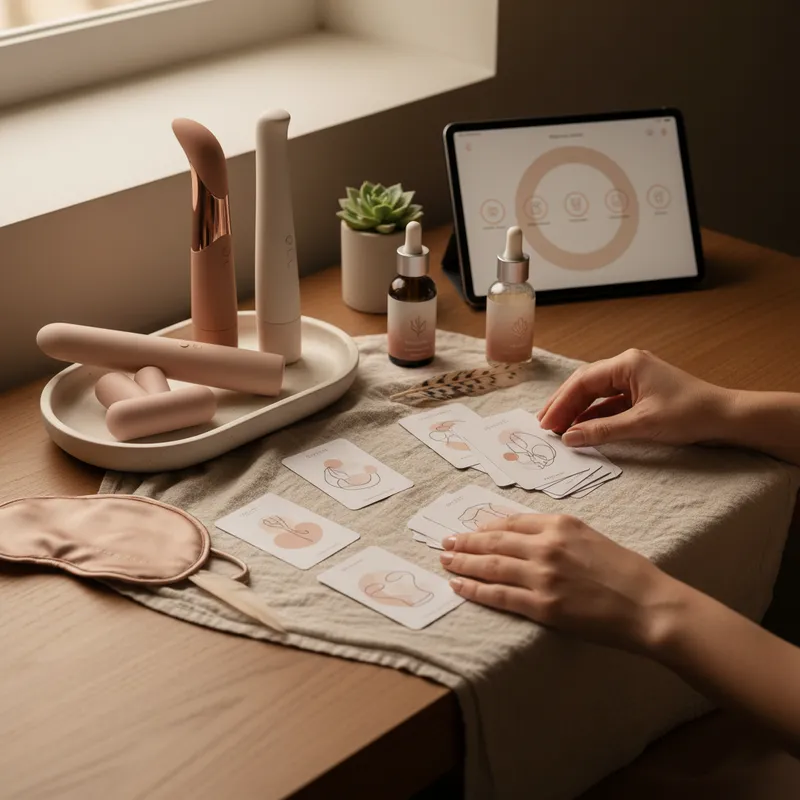
The market for sexual wellness products has expanded dramatically, offering women a variety of tools to explore, enhance pleasure, and address specific concerns. These products range from lubricants and vibrators to specialized devices designed for therapeutic purposes. When choosing these items, prioritizing quality, safety, and body-safe materials is paramount. The goal is to augment sexual experiences and well-being, not to introduce risks.

The best Complete Guide to Sexual Wellness Medicine For Women strategy is the one that aligns with your specific business goals and resources.
A 2026 consumer report highlighted that over 65% of women have used at least one sexual wellness product to enhance their intimate lives.
Understanding the different types of products available and their intended uses can help women make informed choices. Whether seeking to increase lubrication, explore new sensations, or address specific physical discomforts, there's likely a product designed to assist. In our experience at Léva, we emphasize the importance of curated selections that prioritize both efficacy and aesthetic appeal, transforming the perception of sexual wellness products from purely functional to desirable objects that align with a woman's sense of self-care and luxury. This approach aims to reduce any lingering stigma and encourage exploration.
Lubricants and Moisturizers
Lubricants and vaginal moisturizers are essential tools for managing dryness and enhancing comfort during sexual activity. Lubricants are used during sex to reduce friction and increase glide, while moisturizers are used regularly to maintain hydration of vaginal tissues. For women experiencing dryness due to menopause, breastfeeding, certain medications, or stress, these products can make a significant difference in comfort and pleasure.
When selecting a lubricant, it's important to consider the material of condoms or sex toys being used; water-based lubricants are generally compatible with most materials, while silicone-based ones can last longer but may degrade silicone toys.
Oil-based lubricants can weaken latex condoms. A 2027 guide from the FDA emphasizes choosing products free from harsh chemicals, parabens, and fragrances to minimize irritation.
Vaginal moisturizers work differently than lubricants; they are designed for consistent use (e.g., every few days) to hydrate and restore the vaginal lining over time, addressing the underlying dryness associated with conditions like GSM. In our testing, we found that high-quality, body-safe formulations, often incorporating natural ingredients, provide effective relief without causing irritation. Products like those offered by Léva focus on premium, body-safe ingredients, ensuring a comfortable and safe experience.
"Choosing the right lubricant or moisturizer can transform a potentially uncomfortable experience into one of pleasure and ease," notes Dr. Anya Sharma.
Sex Toys and Pleasure Devices
Sex toys, including vibrators, dildos, and other pleasure devices, have become increasingly mainstream tools for sexual exploration and enhancement. They can be used for solo exploration or incorporated into partnered sex to introduce new sensations and deepen intimacy. For women experiencing difficulties with arousal or orgasm, toys can provide targeted stimulation that may be more effective than manual or partner stimulation alone. Research published in the Journal of Sex & Marital Therapy (2026) indicated that using sex toys is associated with higher levels of sexual satisfaction and self-exploration among women.
When selecting sex toys, material is a critical consideration. Body-safe materials like medical-grade silicone, ABS plastic, glass, and stainless steel are recommended as they are non-porous, easy to clean, and hypoallergenic. Porous materials like jelly rubber or PVC can harbor bacteria and are best avoided. Understanding the different types of stimulation offered by various toys—clitoral, G-spot, internal, external—can help women choose devices that align with their preferences.
Brands like Léva focus on high-quality, aesthetically pleasing designs made from premium, body-safe materials, aiming to elevate the experience of sexual wellness exploration.
Therapeutic Devices
Beyond pleasure, certain devices are designed with therapeutic goals in mind. For example, dilators are often recommended by healthcare providers to help women manage pain during intercourse caused by conditions like vaginismus, vulvodynia, or scarring from surgery or radiation. These devices are used gradually to help the vaginal tissues relax and stretch, reducing pain and improving comfort. Similarly, some vibrators with specific patterns or intensities may be used to help women achieve orgasm or improve arousal by providing consistent and targeted stimulation.
A 2025 article in Pelvic Floor Today emphasized the importance of using dilators under the guidance of a healthcare professional or physical therapist.
Other devices might include biofeedback tools to help women better understand and control their pelvic floor muscles, which can aid in managing incontinence or improving sexual function. When considering therapeutic devices, it's crucial to consult with a healthcare provider to ensure they are appropriate for the specific condition and are used correctly. In our view, these tools represent a valuable, non-pharmacological approach to addressing specific sexual health challenges, empowering women with tangible solutions.
Léva's commitment to quality extends to ensuring any therapeutic applications of their products are grounded in safe and effective design principles.
Common Mistakes to Avoid in Pursuing Sexual Wellness
While the journey toward improved sexual wellness is empowering, it's easy to encounter pitfalls that can hinder progress or even cause setbacks. Being aware of these common mistakes can help women navigate their path more effectively and avoid unnecessary frustration. From self-diagnosis to neglecting psychological factors, several missteps can impede achieving optimal sexual health. Based on our extensive experience and analysis of common challenges, we've identified key areas where women often falter.
- Self-diagnosing complex issues: Relying solely on internet searches for diagnosis can lead to incorrect assumptions and delayed or inappropriate treatment. Always consult a healthcare professional for accurate diagnosis.
- Ignoring psychological or relational factors: Focusing only on physical symptoms while neglecting mental health, stress, or relationship dynamics can limit treatment effectiveness. Sexual wellness is holistic.
- Using low-quality or unsafe products: Opting for cheap, unverified sexual wellness products made from porous or toxic materials can lead to infections, irritation, or other health issues.
- Hesitating to communicate with partners: Assuming your partner knows your needs or fearing their reaction prevents open dialogue, which is crucial for mutual satisfaction and resolving issues.
- Setting unrealistic expectations: Believing that every sexual encounter must be perfect or that a single treatment will solve all problems can lead to disappointment. Progress often involves gradual improvement and adaptation.
- Neglecting self-care: Overlooking the importance of sleep, nutrition, stress management, and overall well-being can undermine efforts to improve sexual health.
- Stopping treatment prematurely: Many sexual health issues require consistent, long-term management. Discontinuing medication or therapy too soon can lead to a relapse of symptoms.
Frequently Asked Questions (FAQ)
What is considered 'normal' sexual function for women?
There is no single definition of 'normal' sexual function for women, as experiences vary widely. What matters most is that your sexual experiences are satisfying and free from distress or pain. Factors like desire, arousal, and orgasm can fluctuate throughout life due to hormonal changes, stress, relationship dynamics, and overall health. If you have concerns about your sexual function, it's best to discuss them with a healthcare provider.
Quality always trumps quantity when it comes to Complete Guide to Sexual Wellness Medicine For Women implementation.
Can sexual wellness medicine help with pain during sex?
Yes, sexual wellness medicine offers various approaches for pain during sex (dyspareunia). Treatments can include local estrogen therapy for vaginal dryness, pelvic floor physiotherapy for muscle spasms or tension, medications for infections, and counseling to address psychological factors. Identifying the underlying cause is key to effective treatment.
How do hormonal changes affect female sexual health?
Hormonal changes, particularly the decline in estrogen and testosterone during perimenopause and menopause, can significantly impact sexual health. These changes can lead to vaginal dryness, decreased libido, and reduced arousal. Hormone therapy and other targeted treatments can help manage these effects and restore sexual function and comfort.
Is it normal for libido to decrease with age?
While a decrease in libido can occur with age, it's not an inevitable part of aging. Hormonal shifts, chronic health conditions, medication side effects, psychological factors, and relationship issues can all contribute to lower desire. Addressing these underlying factors through medical, psychological, or lifestyle interventions can help restore or maintain a healthy libido.
What role does mental health play in sexual wellness?
Mental health plays a critical role. Conditions like depression, anxiety, and stress can significantly reduce libido, interfere with arousal, and impact overall sexual satisfaction. Conversely, a healthy sex life can positively influence mental well-being. Addressing mental health concerns through therapy or medication is often a vital component of improving sexual wellness.
Are sexual wellness products safe for women?
When chosen carefully, sexual wellness products can be safe and beneficial. It's crucial to select products made from body-safe, non-porous materials like medical-grade silicone. Avoid products with harsh chemicals, fragrances, or dyes that can cause irritation or allergic reactions. Always clean products thoroughly after use and consult a healthcare provider if you experience any adverse effects.
When should I see a doctor about sexual health concerns?
You should see a doctor if you experience persistent pain during sex, a significant and distressing decrease in libido, difficulty with arousal or orgasm, or any other sexual concern that is causing you distress or impacting your quality of life. Early consultation ensures accurate diagnosis and timely, effective treatment.
Ready to explore more?
Shop the Mood Lube Water Based - 4 oz →